


A Fragile Peace Amid Persistent Tensions
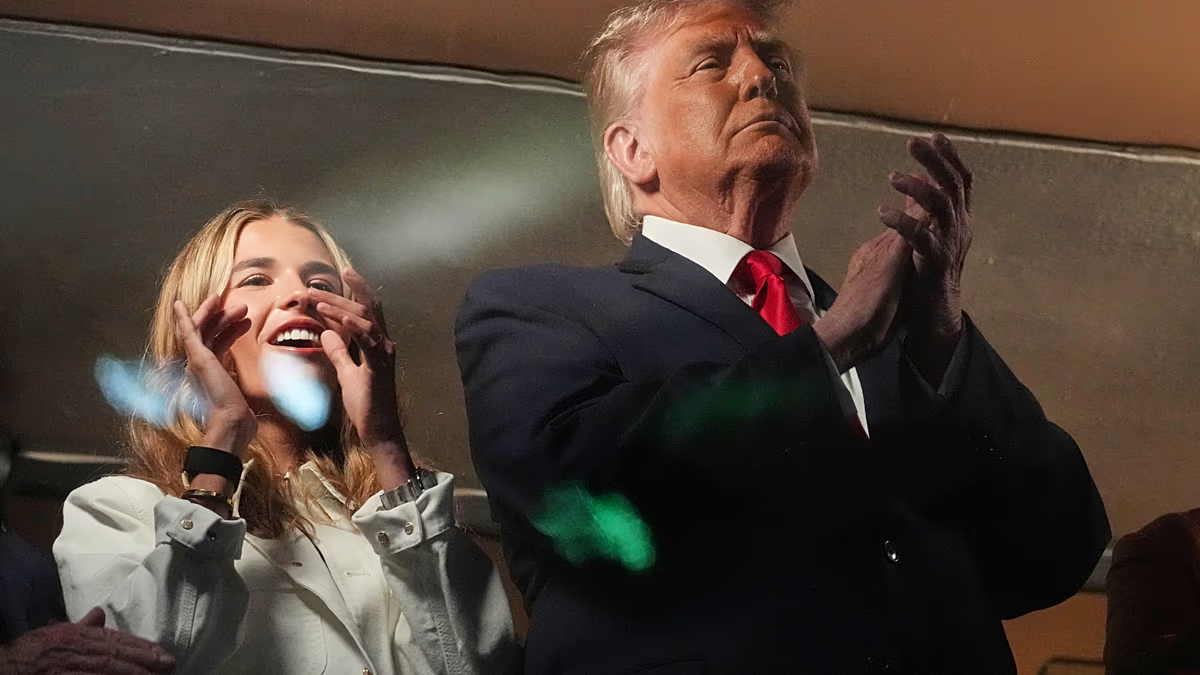
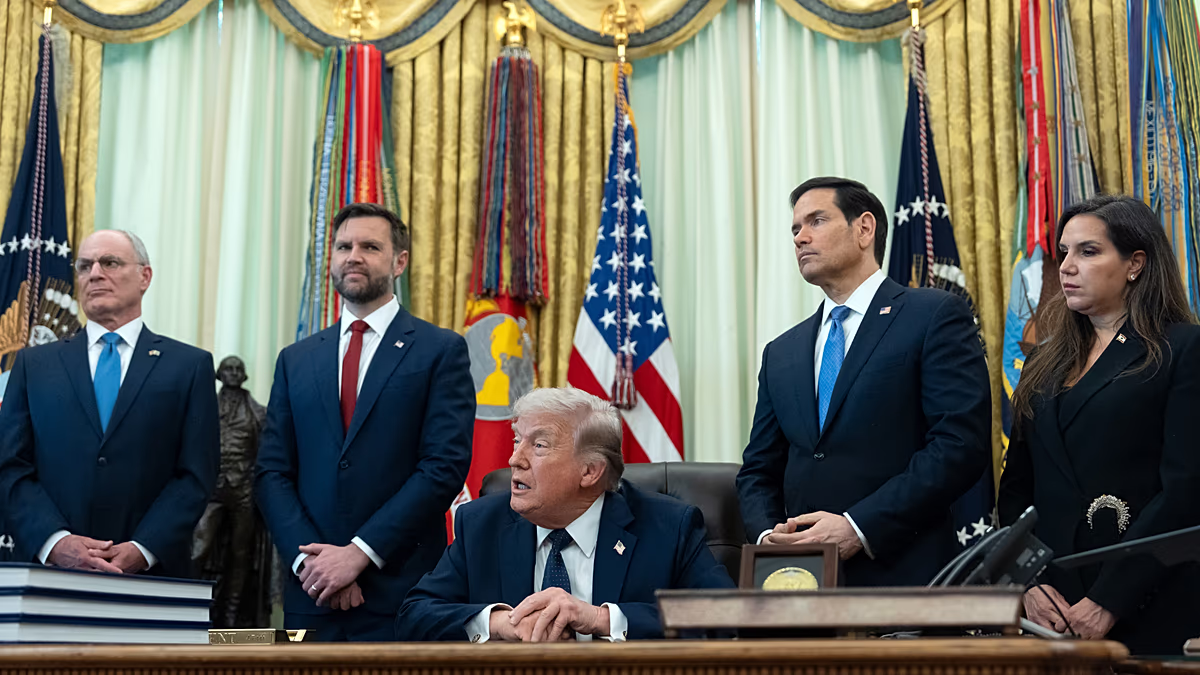
In a significant diplomatic development, Israel and Lebanon, facilitated by the United States, have agreed to extend a fragile ceasefire by three weeks. This truce, initially established for ten days, marks a rare moment of direct negotiation between the two nations after decades of hostility, primarily driven by the armed Lebanese group Hezbollah. While both ambassadors expressed gratitude for U.S. mediation, the shadow of Hezbollah’s opposition to these talks underscores the profound internal and external complexities Lebanon faces. President Trump framed the U.S. role as one of helping Lebanon “protect itself from Hezbollah,” highlighting the intricate balance between state diplomacy and non-state militant influence. The planned upcoming meetings between the Israeli Prime Minister and Lebanese President suggest a continued, though deeply cautious, path toward dialogue, all while navigating a landscape where trust is scarce and every step is contested.
Parallel Crises: The Standoff in the Persian Gulf
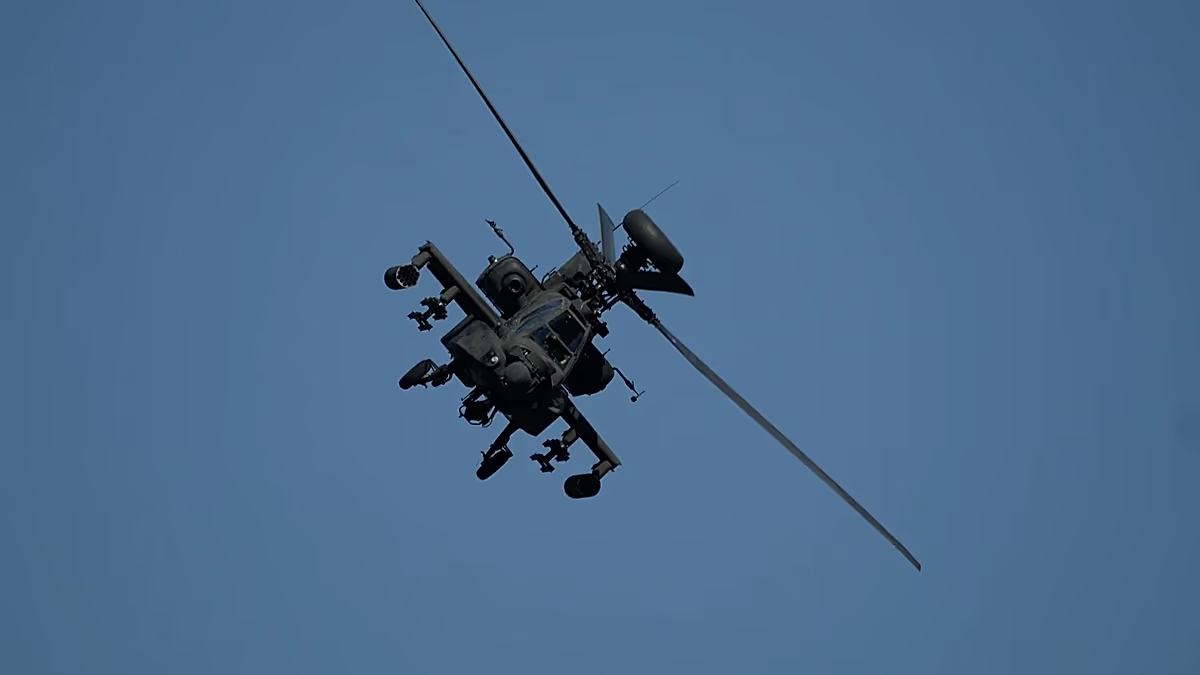
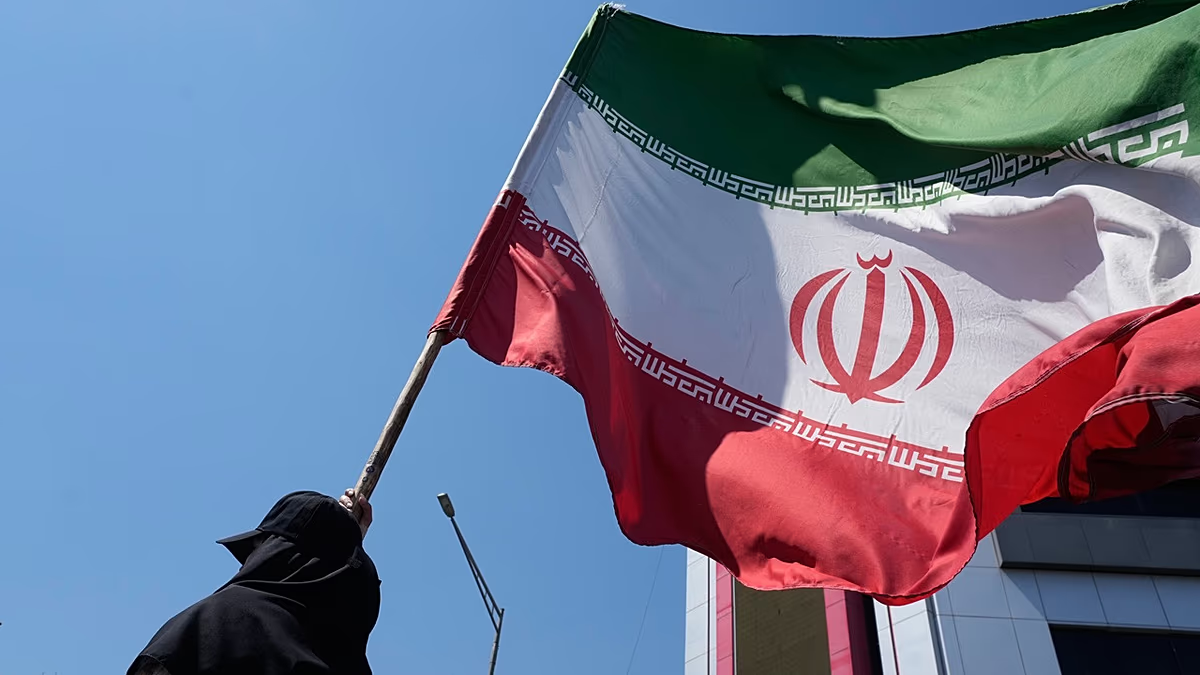
Separate yet interconnected, tensions between the United States and Iran continue to escalate dangerously in the Persian Gulf. The strategic Strait of Hormuz remains a flashpoint, with President Trump issuing a stark order for the U.S. military to confront any Iranian vessels attempting to mine the waterway. He asserted American “complete control” over the strait, controversially framing its closure as an economic pressure tactic against Iran. Iranian leadership, however, rejects this narrative, accusing the U.S. of blockade and “blatant violation,” while maintaining that dialogue remains possible. This tense standoff, characterized by seized vessels and military threats, creates a volatile backdrop that impacts regional stability broadly, demonstrating how localized conflicts are often entwined with wider geopolitical struggles.
Human Cost: Tragedy and Accountability in Lebanon
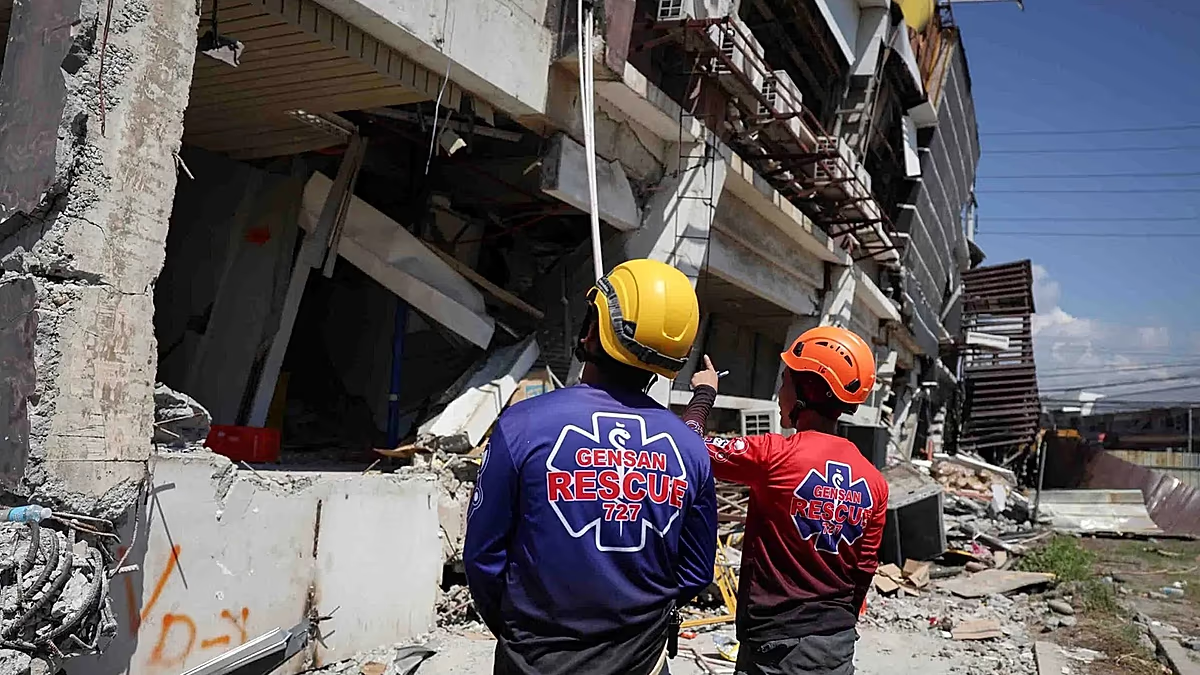
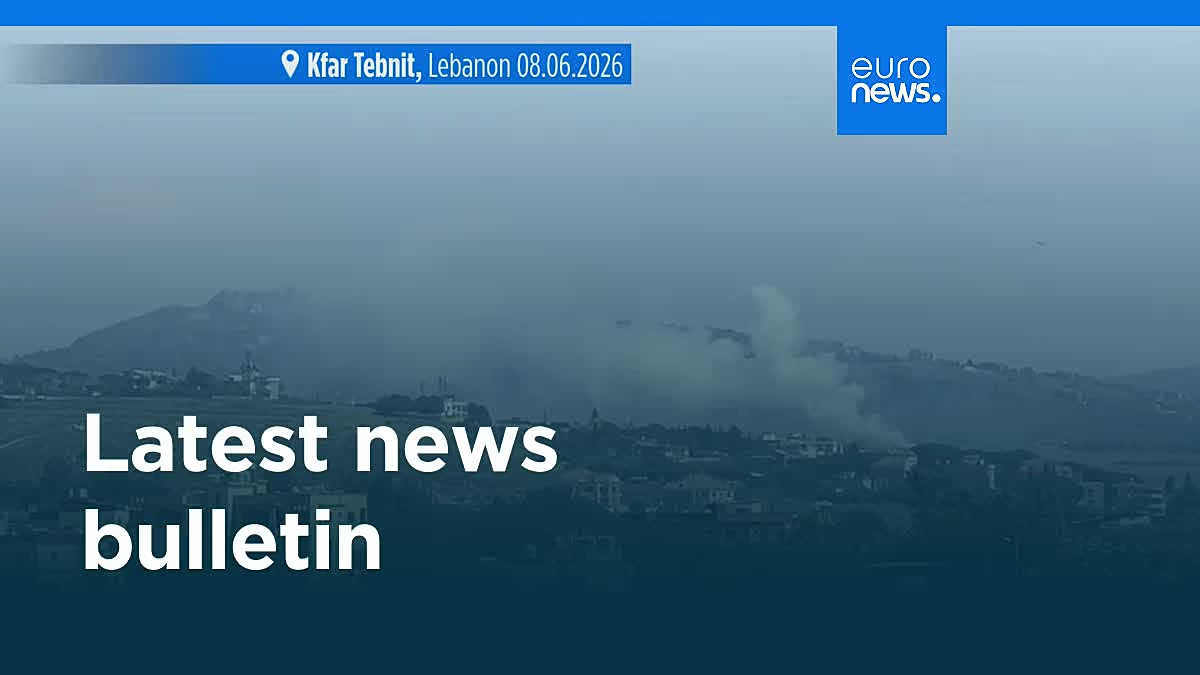
Beyond the diplomatic statements, the human reality of conflict was painfully evident in southern Lebanon, where hundreds mourned journalist Amal Khalil. Her death, resulting from an Israeli airstrike that also destroyed a nearby house where she and another colleague had sought shelter, sparked outrage and accusations of war crimes. Lebanese officials condemned not only the initial strike but also the reported firing upon an ambulance, which hindered rescue efforts for hours. The Israeli military, while denying it deliberately targeted journalists or rescuers, has pledged a review of the incident. This tragedy underscores the devastating collateral damage of military operations and the perennial, painful debates over accountability, compliance with international law, and the protection of civilians and press freedom in war zones.
Iran’s Internal Dynamics and External Pressure
President Trump, in his comments, attempted to apply psychological pressure by suggesting Iran is in “turmoil” and under “time pressure.” Iranian authorities swiftly countered this, dismissing it as deflection and asserting national unity. Nonetheless, the external economic and military pressure from the U.S., combined with internal political challenges, creates a formidable dilemma for Tehran. The Iranian president’s public commitment to “dialogue and agreement” stands in contrast to the on-ground military posturing and the parliamentary speaker’s declaration that reopening the strait is impossible under blockade. This juxtaposition reveals the multifaceted nature of statecraft under crisis, where public diplomacy, internal morale, and hard security calculations are constantly in play.
Regional Military Posturing and Alliance Dynamics
The spectrum of conflict readiness extends beyond the Gulf, as Israel publicly declared its preparedness to resume war against Iran, stating that targets are “marked” and awaiting a U.S. “green light.” This statement explicitly ties Israeli offensive potential to American strategic approval, illustrating the deep alliance coordination but also potentially complicating U.S. mediation efforts elsewhere. Such declarations of readiness serve as public deterrents but also risk escalating rhetoric, making the already delicate ceasefire extensions and diplomatic talks even more precarious. The regional security architecture remains on a knife’s edge, where statements from defense ministers can swiftly alter the perceived balance of peace and war.
Navigating a Labyrinth of Conflict and Diplomacy
The simultaneous narratives—a cautiously extended ceasefire between Israel and Lebanon, a militarized standoff between the U.S. and Iran, the tragic death of a journalist, and the relentless military posturing—pain a picture of a region embroiled in a labyrinth of interconnected conflicts. Diplomacy, as seen in the White House meetings, offers fragile pathways, but these are constantly undermined by military incidents, economic warfare, and the profound grief of local communities. True progress requires not only state-level agreements but also a steadfast commitment to humanitarian principles, accountability for civilian harm, and a recognition that lasting stability must address the root causes of tension, from non-state militant groups to international economic and military blockades. The coming weeks will test whether these threads of dialogue can withstand the persistent pull of violence and distrust.