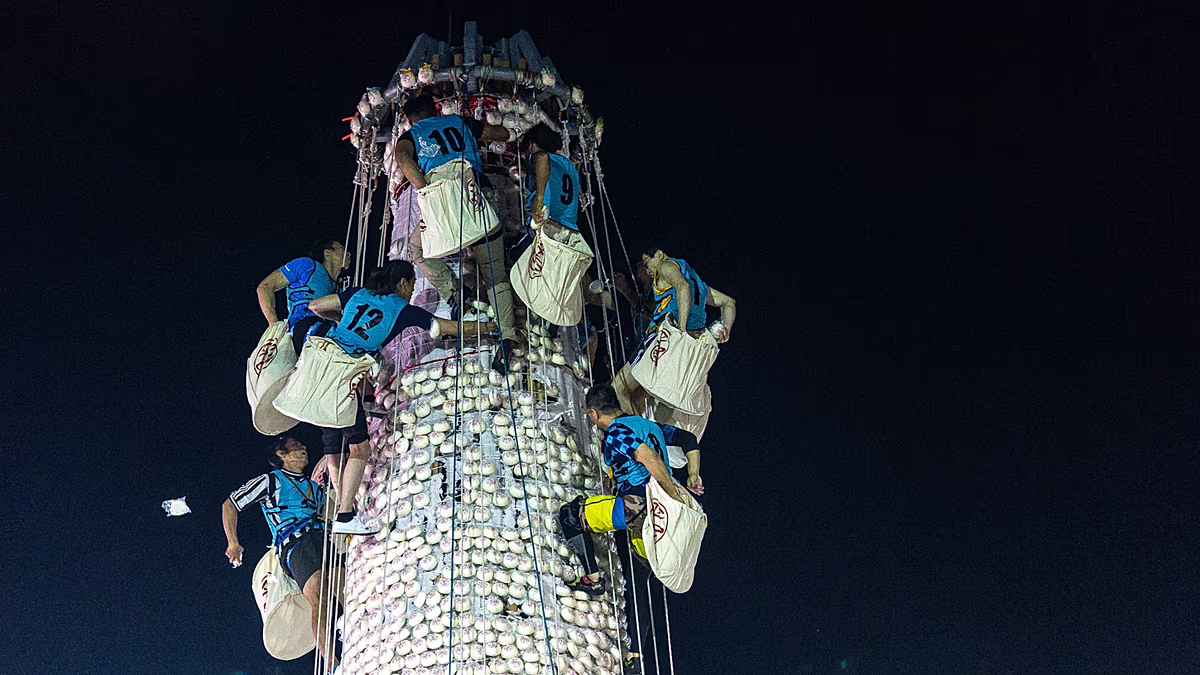



On a vibrant evening on the small island of Cheung Chau, the air buzzed with anticipation and the scent of incense and dough. This was the climax of the annual Bun Festival, a centuries-old tradition where the community gathers to honor deities and pray for peace. Amidst the colorful street parades featuring “floating” children and the rhythmic thunder of lion dances, one event stood out as a spectacular centerpiece: the Bun Scrambling Competition. The focal point was a towering structure, a 14-metre-high steel frame meticulously covered with thousands of plastic steamed buns, each symbolizing prosperity and safety. As dusk settled, this bun-covered pinnacle became not just a fixture, but a symbol of communal hope and athletic daring, drawing every eye in the packed square.
The atmosphere transformed from celebratory to electrifying as the contestants, clad in athletic gear, approached the base. These climbers, a mix of local heroes and international enthusiasts, were not merely competing for victory but participating in a living ritual. With the crowd’s cheers rising like a wave, they launched themselves onto the structure. The video footage captured the raw, human effort of the scramble—hands gripping, feet finding purchase on the plastic buns, bodies ascending in a dynamic blend of speed and strategy. It was a vertical dance of determination, each climber pushing against gravity and time, driven by the collective energy of the spectators below whose shouts painted the air with encouragement.
This thrilling race to the summit was more than a sport; it was a modern iteration of a profound historical practice. The Bun Festival itself originated over a century ago as a ritual to appease spirits and ward off plague, with real steamed buns—”peace buns”—later distributed to bring good fortune. The shift to plastic buns for the competition came from a desire for safety and sustainability, but the symbolic heart remained untouched. Each bun snatched from the tower still represents a captured blessing, a token of health and abundance. Thus, the climbers’ ascent became a metaphor for the human pursuit of prosperity, connecting the island’s present-day community with the deep-rooted anxieties and hopes of their ancestors.
As contestants reached the top, the action peaked in a flurry of focused grabs. The goal was clear: secure as many buns as possible and descend swiftly. The scene was one of beautiful urgency—athletes carefully yet quickly plucking their symbolic prizes before navigating their way down, their bags filling with plastic bounty. The descent, often overlooked, required its own skill and poise, a controlled return to earth with the trophies of effort. Meanwhile, the island itself was a tapestry of festivity. Residents and tourists alike thronged every available space, their faces alight with shared excitement. Vendors added to the sensory feast, selling the actual traditional sweet steamed buns, linking the competitive spectacle directly to the tangible flavors and blessings of the festival.
The conclusion of the scramble brought not just winners, but a renewed sense of communal unity. The cheers for the fastest climber or the one with the most buns were cheers for the tradition itself, kept alive through such participatory vigor. This event, in its thrilling physicality, serves as a powerful anchor for the broader festival, ensuring that ancient customs are not just remembered but viscerally experienced. It demonstrates how a community can honor its past not through passive observation, but through dynamic, embodied celebration—where history is climbed, touched, and held.
Ultimately, the Bun Scrambling Competition on Cheung Chau is a vivid story of continuity. It showcases how human cultures skillfully weave the threads of their heritage into the fabric of modern life. The plastic buns on the tower, the athletes’ strenuous climb, and the crowd’s resonant support together create a living portrait of a society holding fast to its identity while embracing the present. In this annual ascent, Hong Kong offers a beautiful lesson: that our most cherished traditions can remain vital not by being sealed in glass, but by being placed on a tower for us to reach for, together, year after year.