


In the deepening dark of a Kyiv night, the sky is torn open not by stars, but by man-made lightning. Sudden, silent flashes illuminate the outlines of apartment blocks before the thunderous proof of their purpose rolls across the city: the distant, percussive thud of interceptions, the shuddering crump of impacts. This is the grim theater of survival for the capital’s residents, now entering a third year of a full-scale war. The latest performance began with the wail of air raid sirens, a sound as familiar as it is chilling, sending thousands pouring into the deep, concrete bowels of the metro system. Below ground, the frantic energy of the dash for safety settles into a weary, tense quiet. Families huddle on thin sleeping mats, children dozing fitfully in their parents’ laps, while some attempt a semblance of privacy with makeshift tents. Above them, the real battle rages, a sustained Russian campaign targeting the very lifelines of the nation—its power plants, its infrastructure, and its densely populated urban hearts.
The shelters are a world apart, yet intimately connected to the violence above. Every distant explosion is felt as much as heard—a vibration through the earth, a collective intake of breath. The atmosphere is a fragile compound of exhaustion, resilience, and shared dread, punctuated by the glow of mobile phone screens checking for news. Witnesses speak not of panic, but of a hardened routine, a terrible normalization where the question is not if an attack will come, but when the all-clear will sound. For several long hours, this underground city waits, its inhabitants living a suspended life, their own homes potentially in the crosshairs just overhead. It is a community forged in adversity, sharing food, charging ports, and silent solidarity while the sky flashes with the evidence of their defenders at work.
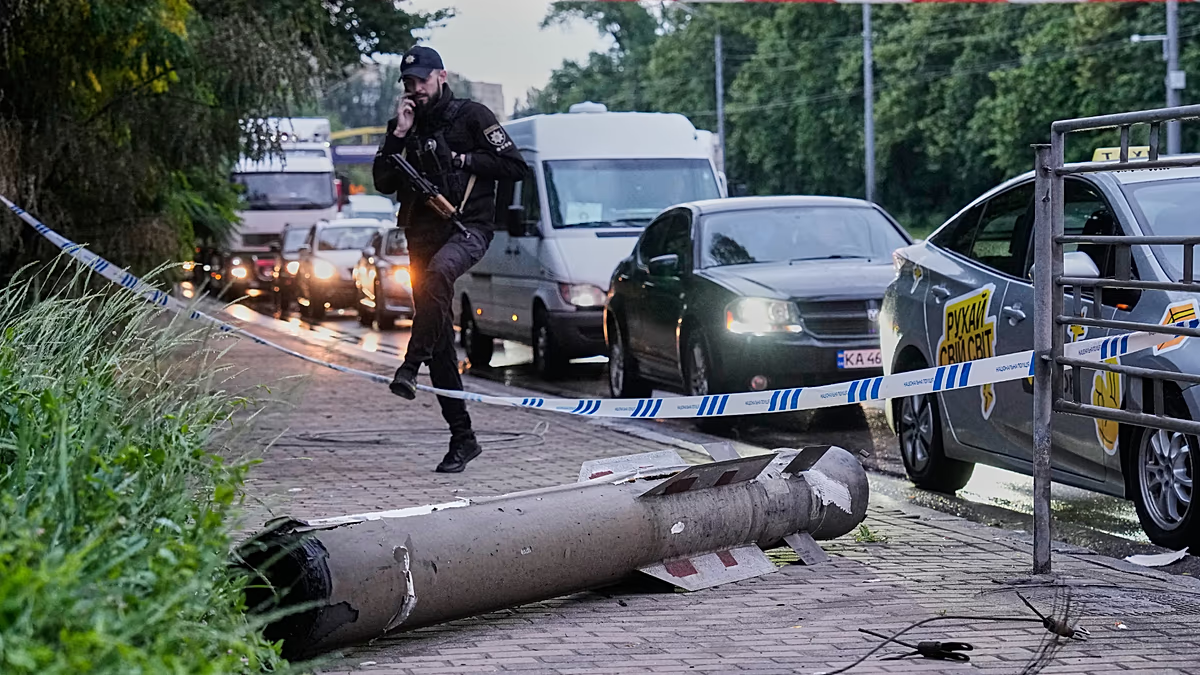
As dawn approached, the scale of the night’s violence began to come to light. Kyiv Mayor Vitali Klitschko and military officials reported strikes affecting multiple districts across the sprawling capital. The damage was twofold: the direct, brutal scars of missiles that found their mark, and the collateral havoc wrought by the fragments of those successfully intercepted—a hail of deadly shrapnel raining down on streets and buildings. The echoes of the explosions gave way to the sirens of emergency services weaving through the city. Their tasks were urgent and grim: to battle fires sparked by the impacts, to shore up shattered structures, and to search for anyone trapped or injured. Initial reports confirmed at least six casualties, but with the characteristic caution of a people too acquainted with loss, officials warned this number was almost certain to rise as rescue teams painstakingly cleared rubble and accessed the hardest-hit areas.
The military narrative of the night was one of relentless pressure. Even as one wave of threats was being engaged, authorities detected the launch of additional missiles, prompting frantic renewals of the shelter-in-place warnings. Ukraine’s air force confirmed its defence systems were in a constant state of activation, a high-stakes technological duel playing out in the darkness. Each successful interception represented lives saved, yet each also served as a stark reminder of the overwhelming volume of the incoming barrage. This ongoing aerial campaign, targeting Kyiv and other major cities, is as much a psychological weapon as a physical one, designed to grind down resilience, disrupt the rhythms of daily life, and terrorize the civilian population. The defenders in the sky, though often unseen, wage a war for normalcy below.
For the people of Kyiv, the return to daylight does not mean a return to peace. Emerging from the shelters, they are met with the fresh evidence of their vulnerability—broken glass, scorched walls, the acrid smell of smoke. The routine of war continues: assessing damage, supporting neighbors, mourning new losses, and repairing what can be fixed, all while listening for the sirens that will inevitably sound again. The attacks on critical infrastructure threaten heat, light, and water, adding a layer of prolonged hardship to the acute terror of the strikes themselves. Life in the capital has become a calculated balance between necessity and caution, a determination to persist shadowed by the knowledge that the threat is ever-present.
This night, like so many before it, encapsulates the brutal reality of a conflict with no end in sight. It is a story of two cities: one underground, holding its breath in collective hope; the other above, standing battered but unbroken under the flashes of its own defence. The human cost is measured not only in the rising casualty tolls but in the stolen sleep, the chronic anxiety of children, and the relentless strain on the human spirit. Yet, within this narrative of attack and survival, there remains a powerful, unyielding thread—the courage of ordinary citizens seeking shelter, the dedication of emergency responders racing toward danger, and the defiant activation of air defences that light up the sky. These are the human faces of a resilience that, so far, no amount of firepower has been able to extinguish.