


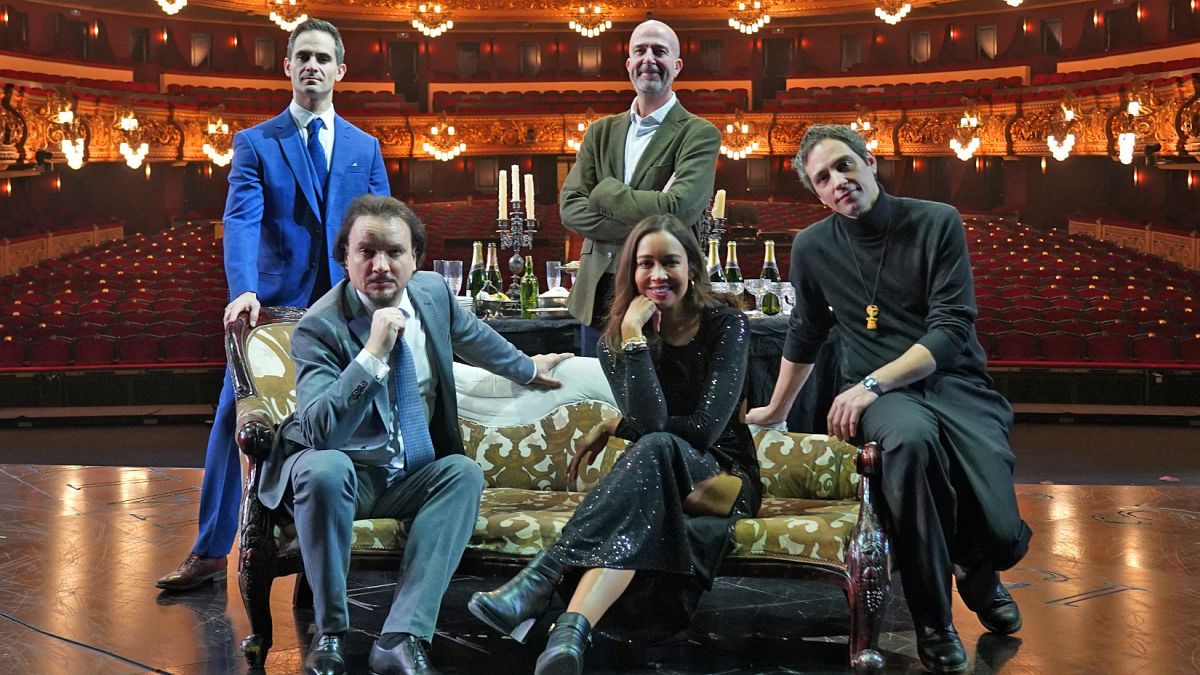
Leo Castaldi, revival director of La Traviata at Barcelona’s Gran Teatre del Liceu, carries a deep-rooted connection to the world of opera. His mother, a costume designer at La Scala in Milan, immersed him in the backstage magic of the theatre from a young age. He recalls spending his after-school hours observing the creation of elaborate costumes for renowned opera stars, fostering a lifelong fascination with the intricate workings behind the curtain. This early exposure shaped his understanding of theatre as a collaborative space, one where creativity and human interaction coalesce to bring performances to life. The Liceu’s production of La Traviata, a revival of Sir David McVicar’s acclaimed staging, serves as a testament to this collaborative spirit and highlights the evolving landscape of opera production in the 21st century.
The financial realities of producing grand opera necessitate innovative approaches to cost management. La Traviata, with its elaborate sets, costumes, and demanding musical score, exemplifies the significant financial investment required for such productions. The Liceu’s production, costing €1.2 million, is a co-production with three other European opera companies: Teatro Real de Madrid, Welsh National Opera, and Scottish Opera. This collaborative model allows the costs to be shared among multiple institutions, making such ambitious productions financially viable. Furthermore, after the initial runs in the partnering opera houses, the production can be rented out to smaller venues, maximizing its reach and further offsetting the initial investment. This demonstrates a growing trend in the opera world, reflecting the need for strategic partnerships to sustain the art form.
The collaborative nature of co-productions extends beyond financial considerations. Opera is inherently an international art form, with artists, directors, and designers often working across borders. Co-productions, therefore, represent a natural extension of this international community, fostering artistic exchange and promoting a shared artistic vocabulary. While cost-sharing is a primary driver, the process also facilitates creative dialogue and cross-cultural pollination, enriching the artistic landscape. The Liceu’s La Traviata, having been revived more than 15 times since its creation in Glasgow around 2008-2009, stands as a compelling example of this successful model. Its journey from Glasgow to Barcelona, with subsequent rentals to smaller Spanish opera houses, illustrates the fluidity and collaborative potential within the opera world.
Castaldi’s role as revival director involves adapting the existing McVicar production to the specific context of the Liceu. While the core elements of McVicar’s vision remain, Castaldi makes adjustments based on the unique characteristics of the venue, the cast, and the overall artistic interpretation. He emphasizes that this is not about altering the original production but rather re-interpreting it through the lens of a new creative team. This nuanced approach ensures that the production maintains its essence while allowing for fresh perspectives and artistic evolution. He sees La Traviata as the “best known opera,” highlighting its universal appeal and enduring popularity, which makes sensitive and thoughtful revival crucial.
The world of opera operates within a complex ecosystem of public and private funding. Initiatives like the Creative Europe program, supporting emerging artists and promoting cross-border collaboration, exemplify the importance of public investment in sustaining the art form. Private sponsorships, such as those from the Fundacion la Caixa and Caixabank for the Liceu’s La Traviata, also play a crucial role. Castaldi acknowledges that opera houses operate within a hierarchical structure, with budgets and artistic policies influencing their programming and artistic choices. The Liceu, while not boasting the largest budget, benefits from a rich history and a discerning audience, allowing it to contribute meaningfully to the operatic landscape. The balance of public and private support is vital for the continued prosperity of opera, ensuring that both large and smaller opera houses can thrive.
Castaldi’s experience with the La Traviata premiere at the Liceu underscores the human element at the heart of theatrical production. Despite the inherent pressures of opening night, the performance was met with a resounding standing ovation. He attributes this success to the positive dynamic within the cast and crew, emphasizing the importance of strong interpersonal relationships in achieving a successful outcome. His role as revival director extends beyond artistic interpretation; it involves fostering a collaborative environment where performers feel supported and empowered to deliver their best work. The positive reception of the premiere serves as a validation of this approach, demonstrating the power of human connection in bringing a complex and demanding production to fruition.