


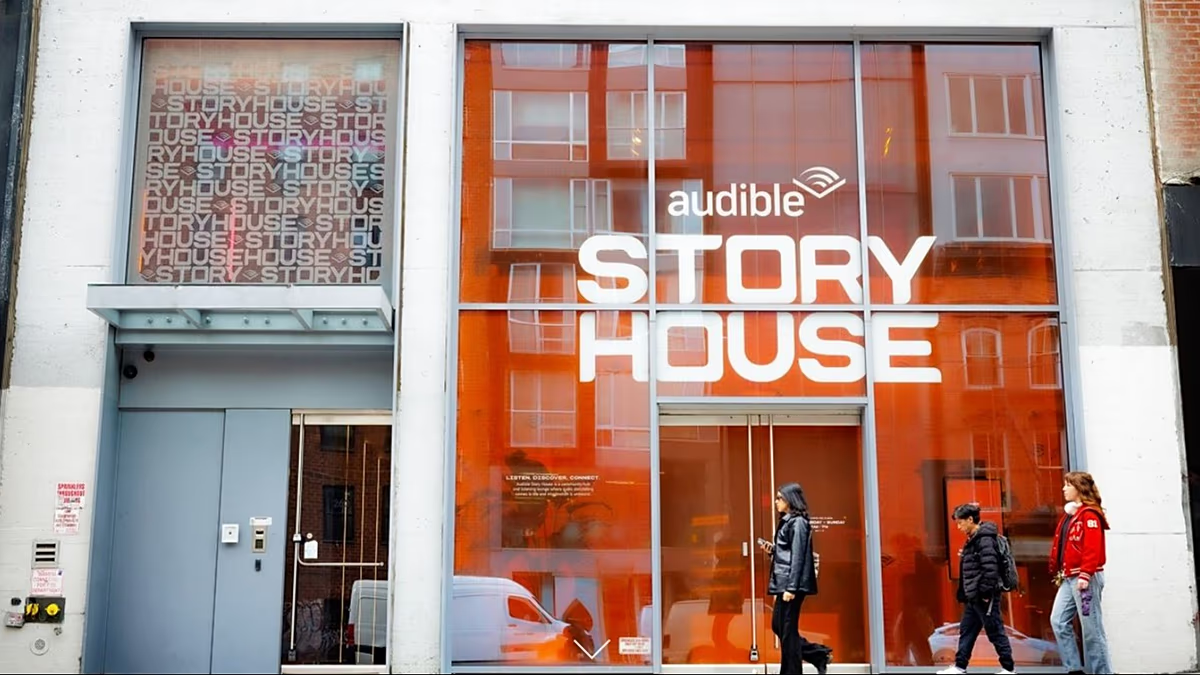
In the heart of New York City, a novel retail experience is quietly challenging centuries of literary tradition. The Audible Story House, a new pop-up establishment, has opened its doors with a provocative premise: a bookshop devoid of books. There are no towering shelves of printed paper, no crisp new spines, and no whisper of turning pages. Instead, this space is dedicated entirely to the world of sound, reimagining what it means to visit a storyshop in the modern age. Every narrative here is absorbed through the ears, not the eyes, signaling a bold step in the evolution of how we consume literature and reflecting a growing cultural shift toward auditory immersion.
Designed as a cultural clubhouse for listening, the venue invites visitors to dive into hundreds of audio titles. Patrons can don high-quality headphones for a private auditory journey or settle into dedicated, comfortable listening lounges meant for relaxation and deep engagement. The design philosophy behind the space is twofold: to mirror the exploding popularity of audiobooks and to cater to a growing public desire for meaningful offline experiences. In an era often dominated by screen-based digital interaction, Audible is betting on the power of real-world, sensory-focused connection, creating a physical sanctuary where the narrative is king, but the medium is purely sonic.
The momentum behind this format is no accident, as explained by James Finn, Audible’s Global Head of Brand & Content Marketing. He points to vibrant online communities, particularly #BookTok on TikTok, as significant drivers introducing new and younger audiences to stories through audio and text discussions alike. This digital buzz is simultaneously fueling a renaissance for traditional book clubs and brick-and-mortar bookstores, creating a fascinating synergy between the old and the new. The Story House sits at the intersection of this trend, acting as a physical embodiment of the digital listening habit and a testament to storytelling’s enduring power, regardless of its format.
Downstairs, the experience deepens within an immersive Dolby Atmos listening lounge. Here, stories escape the confines of headphones and fill the room through sophisticated surround sound speakers, allowing groups to share a cinematic auditory experience. The curation of content is dynamic, with Audible promising to constantly refresh its offerings based on new releases and trending titles, ensuring the collection remains a live pulse of what audiences are actively enjoying. This commitment to relevance transforms the space from a static library into a living, breathing cultural venue.
Further personalizing the visit, the Story House schedules varied listening sessions to cater to different moods and needs. As James Finn notes, visitors might attend a calming “sound bath” session for afternoon relaxation or lose themselves completely in a sprawling fantasy epic like Harry Potter. This programmatic approach frames audio listening not just as a solitary commute activity but as a scheduled social or wellness event. The commercial rationale is clear: audiobook sales in the United States alone reached a staggering €2 billion in 2024, having nearly doubled in the past five years, proving the format’s move from niche to mainstream.
Ultimately, the Audible Story House is more than a simple promotional pop-up; it is a conceptual experiment and a statement on potential futures. Open through the month from Wednesday to Sunday, this temporary venue asks a fundamental question: in the digital age, what is the role of a physical story space? By removing the physical book, Audible highlights the immutable core of the experience—the story itself—and suggests that its future may be just as powerfully conveyed through headphones and speakers as through ink and paper. It is a testament to the adaptability of narrative and the human desire to gather and share in its magic, even if the pages we turn are now entirely virtual.