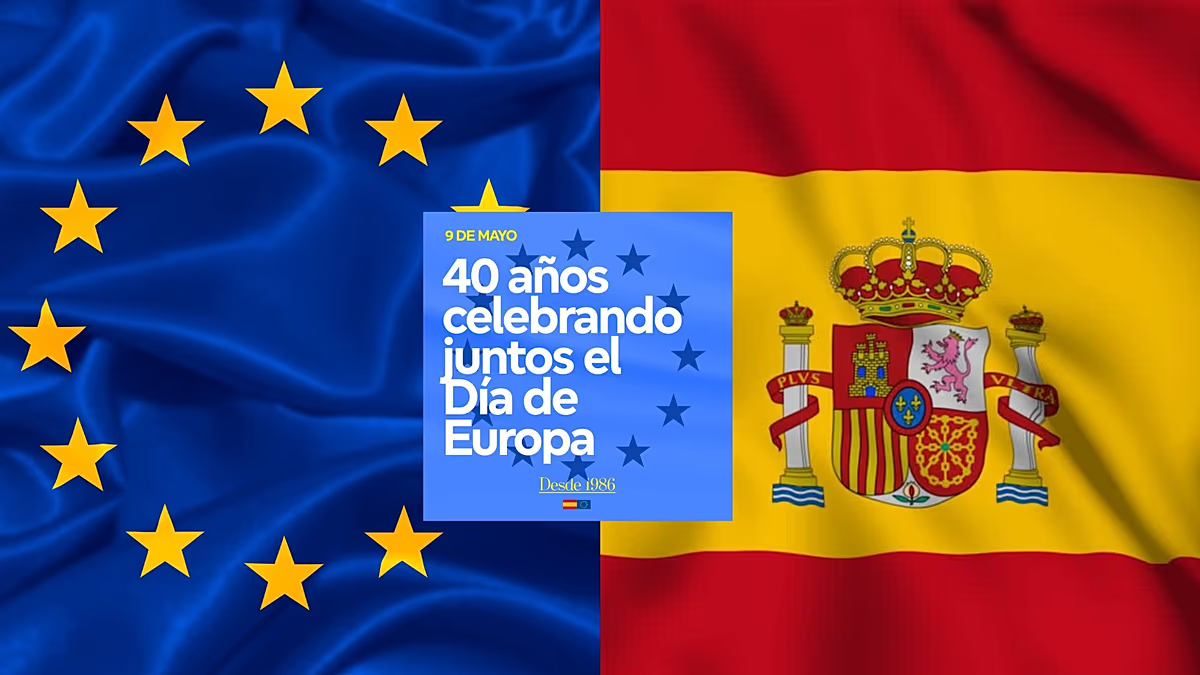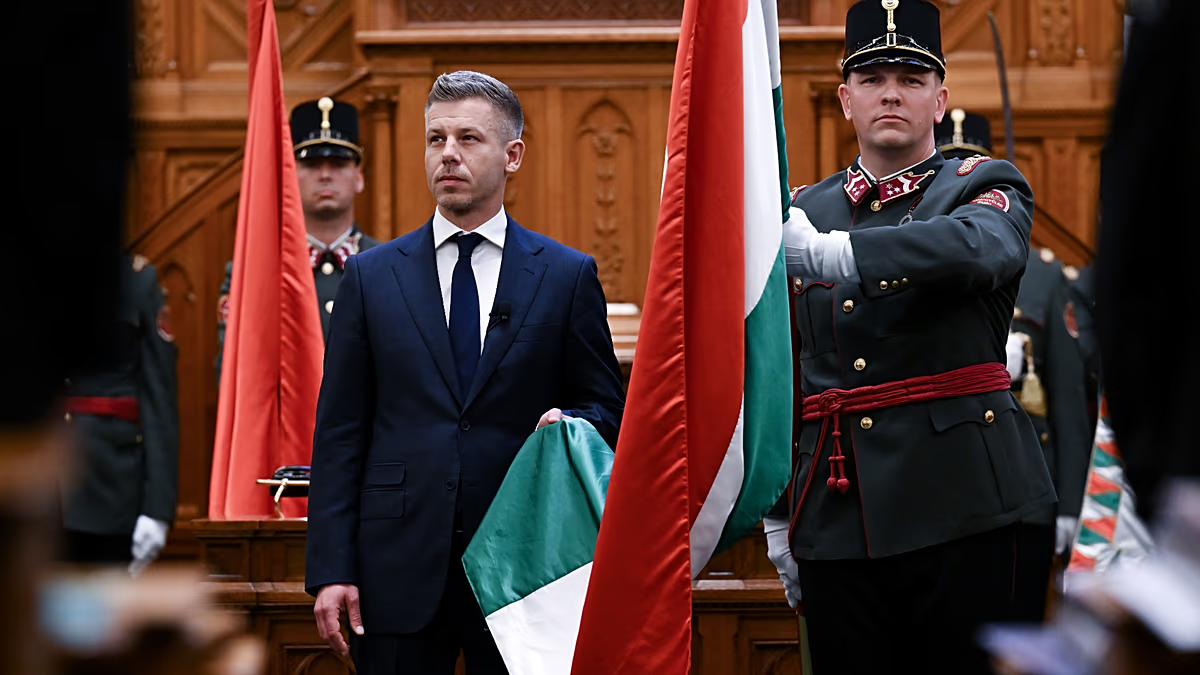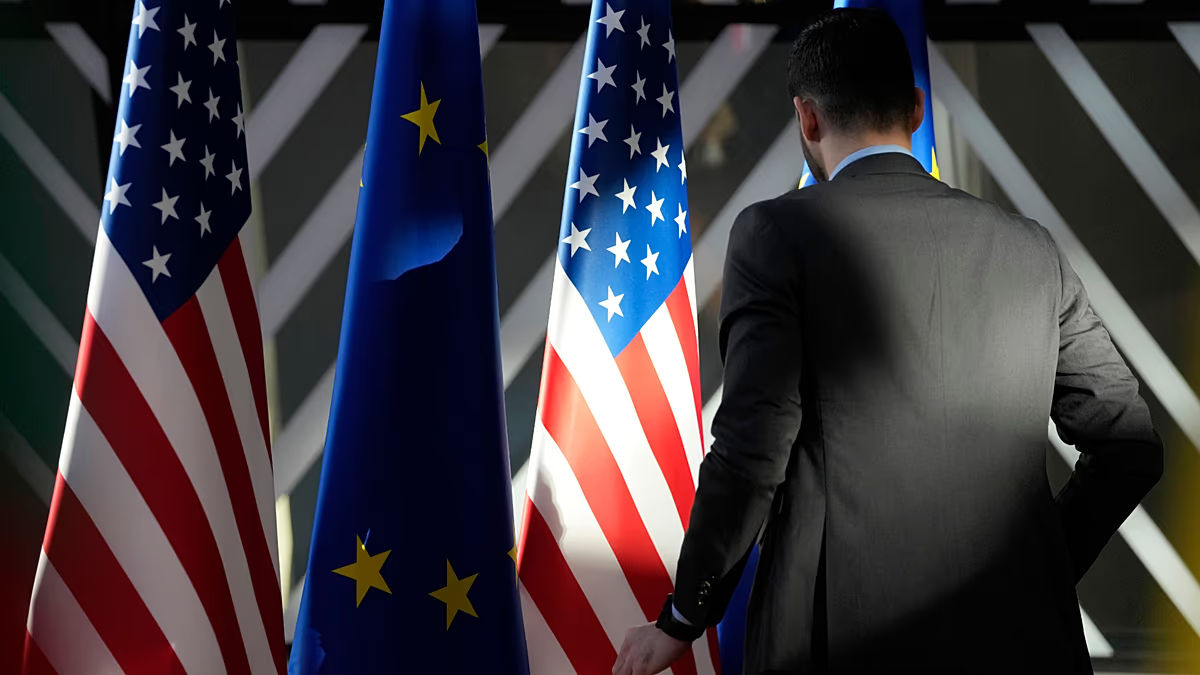


In Budapest, a palpable sense of renewal and celebration filled the air on Europe Day, observed on May 10th, 2026. This annual event, commemorating the post-war Schuman Declaration that laid the groundwork for the European project, carried extraordinary significance this year. It came just one day after a historic political shift, as Péter Magyar was formally sworn in as Hungary’s new prime minister following the convening of a new parliament. The festivities, therefore, became a dual celebration: one for the peace and unity of Europe, and another for a profound national change that many hope will redefine Hungary’s often contentious relationship with the European Union. The timing felt symbolic, linking the continent’s foundational ideals of cooperation with a fresh start for a member state.
The mood among the crowds gathered at the main venue, Szabadság tér (Liberty Square), was notably buoyant and hopeful. Attendees expressed a feeling of turning a page, directly connecting the festive atmosphere to the political developments of the previous day. As one young woman remarked, her first time attending the Europe Day events was made special by the tangible “good mood” in the wake of the swearing-in. Another participant captured a widespread sentiment, voicing pleasure at the change and a sense that Hungary now had the opportunity to “set off again on a shared path with Europe.” These comments reflected a deep-seated public yearning for reconciliation and a more collaborative chapter with the EU, after years marked by diplomatic friction and concerns over democratic standards.
The backdrop to this hopeful atmosphere is a relationship that has been strained for well over a decade. Under the previous administration of Viktor Orbán, Hungary frequently found itself at odds with Brussels over issues ranging from judicial independence and media freedom to LGBTQ+ rights and migration policy. This tension led to the freezing of billions of euros in EU funds and placed Hungary in a position of isolation within the bloc. The change in leadership, therefore, is not merely a domestic political event but a potential geopolitical pivot point for Central Europe. The unspoken question hanging over the celebrations was whether this new government could navigate a course that satisfies both the Hungarian electorate and the EU’s fundamental principles.
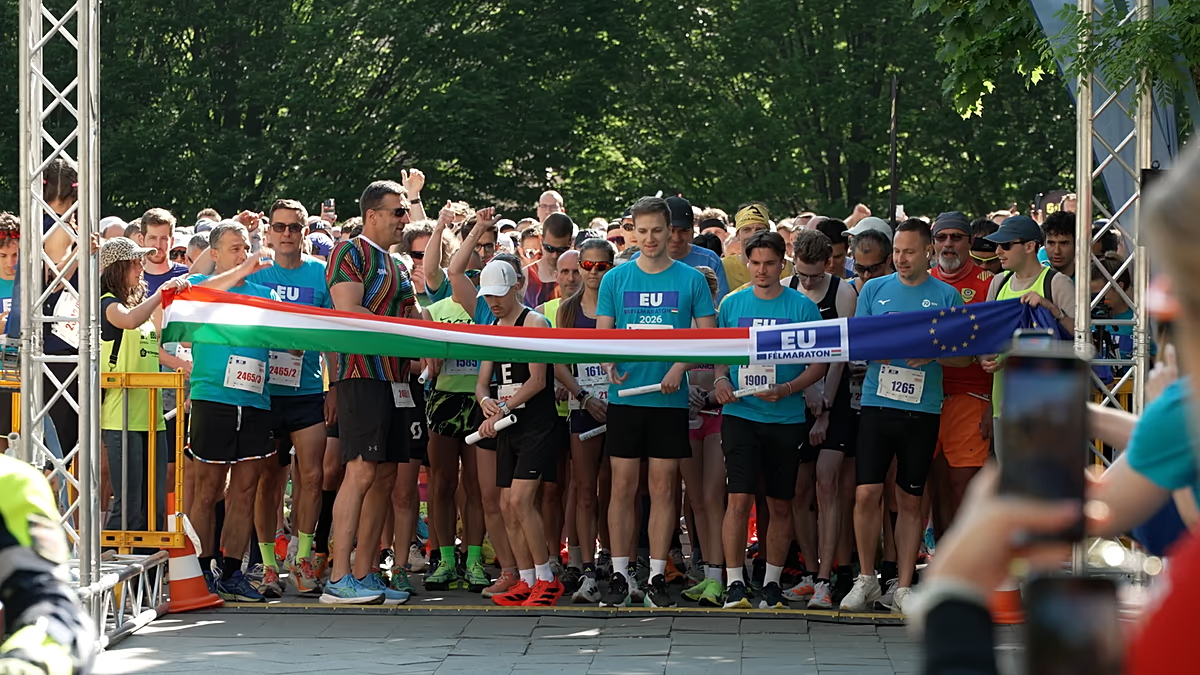
The day’s events themselves were a vibrant tapestry of community and shared European identity, blending tradition with celebration. True to custom, the festivities were launched with a running race—this year, a half-marathon where participants could also compete in relay teams, emphasizing both individual effort and collective endeavor. Throughout the day, a host of programmes unfolded, including concerts and cultural activities designed to engage citizens of all ages. The schedule promised entertainment into the evening, headlined by a performance from the band hiperkarma. This mix of sport, music, and public gathering served as a living metaphor for the European ideal: diverse people coming together in a spirit of shared purpose and joy.
For many Hungarians, Europe Day 2026 likely felt like a reclamation of their European identity. The anniversary also marked the 22nd year of Hungary’s EU membership, a period initially associated with immense optimism and progress before the recent era of discord. The celebrations, infused with new political energy, seemed to reconnect with that earlier spirit of integration. It was a public demonstration that a pro-European sentiment remains strong within Hungarian society, eager for constructive engagement. The day was less about forgetting past conflicts and more about publicly embracing the possibility of a future where Hungary is an active, cooperative partner at the heart of European discussions.
As the music played on into the Budapest evening, the conclusion of this particular Europe Day offered a moment of cautious optimism. The enthusiastic crowds had imbued a symbolic date with immediate, real-world hope. However, the true work of mending fences and building a new, sustainable relationship with the European Union now begins in the halls of power. The public’s celebratory mood is a powerful mandate for the new government, but also a weighty responsibility. The challenge for Prime Minister Péter Magyar will be to translate the energy of Szabadság tér into the complex, often gritty reality of governance, diplomacy, and reform. For one day, however, citizens allowed themselves to simply enjoy the hope of a new beginning, sharing in a celebration that felt, for the first time in years, both authentically European and harmoniously Hungarian.