



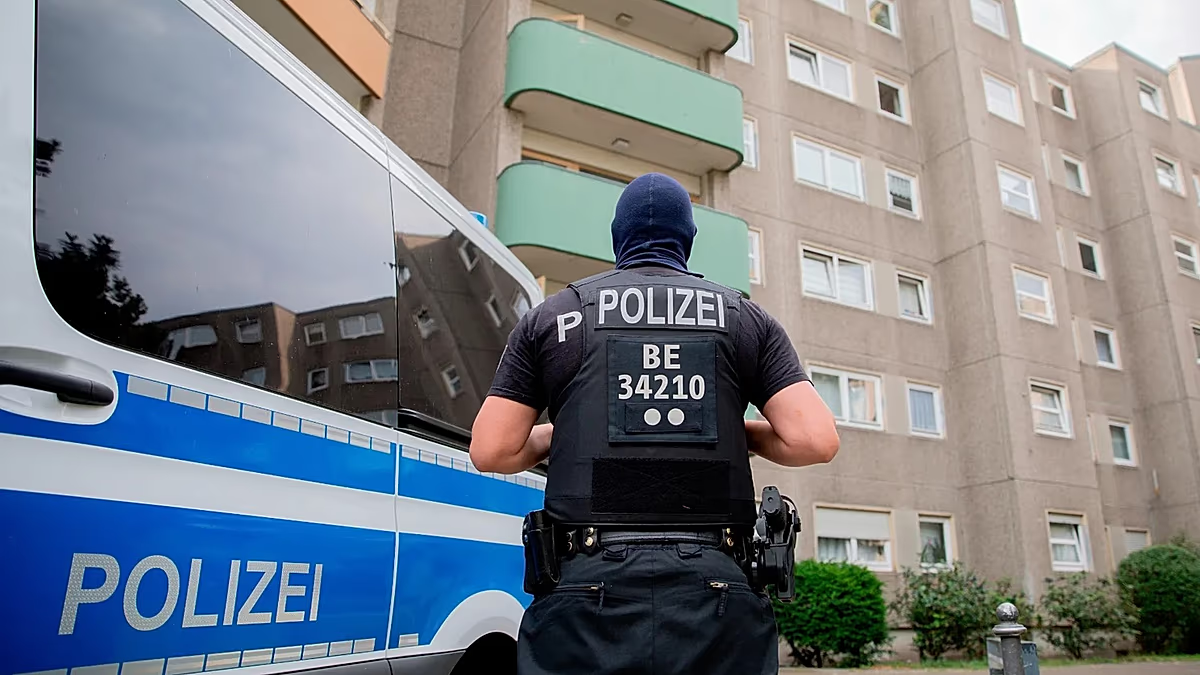
In the ongoing geopolitical shadow war unfolding across Europe, Berlin has emerged as a critical frontline. German federal prosecutors recently announced the arrest of a man on serious suspicions of conducting espionage for Russia. This case represents the latest in a distressing and persistent pattern of alleged Russian intelligence operations within Germany, a nation that has become one of Ukraine’s most significant military supporters. Since the onset of Russia’s full-scale invasion of Ukraine in 2022, German authorities have been engaged in a relentless counter-intelligence effort, unearthing scores of suspected plots involving spying, sabotage, and disinformation campaigns traced back to Moscow. This latest arrest underscores the profound and continuous threat that German security services are working to neutralize, highlighting how the conflict in Eastern Europe is being fought not only on battlefields but in the secretive realms of information and subterfuge.
The suspect, partially identified in official statements as Sergej K. and reported to be a Kazakh national, is accused of maintaining a dangerous and prolific pipeline of information to Russian intelligence. According to the Federal Prosecutor’s Office, this contact had been “in continuous” operation since at least May of the previous year. His alleged activities were multifaceted and directly targeted Western support for Ukraine. Specifically, he is accused of transmitting sensitive details regarding German military aid destined for Ukrainian forces, a direct attempt to undermine the logistics and security of that vital assistance. Furthermore, he reportedly supplied his handlers with photographs of NATO military convoys traveling on German motorways, providing real-time intelligence on the movement of allied equipment and personnel.
The scope of the suspected espionage extended beyond wartime logistics into the realm of future military technology and potential domestic terror. Prosecutors state the man also gathered and passed on information concerning German defense contractors who are actively developing advanced drone and robotics technology. Perhaps even more chilling were his actions within Berlin itself; he allegedly supplied numerous photographs of public buildings around the capital. When combined with his reported efforts to identify potential targets for sabotage, this activity paints a picture of an operative not just gathering intelligence, but actively helping to lay the groundwork for possible disruptive or destructive attacks on German soil. The prosecutor’s statement noted he had even volunteered to help his handlers find other potential agents for sabotage and espionage within Germany, though it did not specify if this recruitment effort was successful.
This arrest is not an isolated incident but a single data point in a broad and concerning campaign. German police have repeatedly disrupted networks of alleged “disposable” agents—individuals often recruited with minimal formal training and tasked with carrying out specific acts of sabotage or intelligence gathering in exchange for modest payments. This model suggests a strategy of deploying deniable, low-level assets to create a constant background threat. In a separate but related development just this past weekend, the German government formally blamed Moscow for a series of sophisticated phishing attacks, which used the encrypted Signal messaging app in attempts to compromise the devices of lawmakers and senior administration officials. These parallel efforts in cyber-espionage and traditional human intelligence gathering indicate a comprehensive Russian strategy aimed at penetrating German political and security infrastructures.
Unsurprisingly, Moscow has consistently and categorically denied any involvement in such espionage or sabotage plots within Germany. The Kremlin’s standard dismissal of these allegations sets up a now-familiar dynamic of accusation and denial, echoing diplomatic tensions that have plunged relations between Berlin and Moscow to their lowest point in decades. The frequency and seriousness of these cases, however, have solidified the conviction within German security circles about the nature of the threat. Each discovered plot fuels greater vigilance and tighter security measures, transforming Germany’s internal security landscape as it navigates its role as a major European power supporting a nation under brutal invasion.
The arrest of Sergej K. serves as a stark reminder of the hidden battles being waged within peaceful societies. It illustrates how global conflicts spill over borders through clandestine means, targeting the very foundations of democratic support for an ally. For the German public and its European partners, this event reinforces a sobering reality: the nation is a key intelligence battleground where secrets concerning military aid, technological innovation, and national infrastructure are prized commodities. As the suspect was brought before a judge following his Tuesday arrest, the legal process began, but the larger, silent war of spies and secrets—a war of shadows feeding the very real fires of conflict in Ukraine—undoubtedly continues unabated.