


Good morning. I’m Angela Skujins, and it’s my pleasure to guide you through today’s newsletter. After a week away, we’re jumping back into a period brimming with significant geopolitical developments, the kind that reminds us how interconnected and fragile our global landscape can be. From the halls of Brussels to the stalled peace processes in the Middle East, this is a moment that demands our close attention, not just as observers of policy, but as citizens of a world navigating profound challenges.
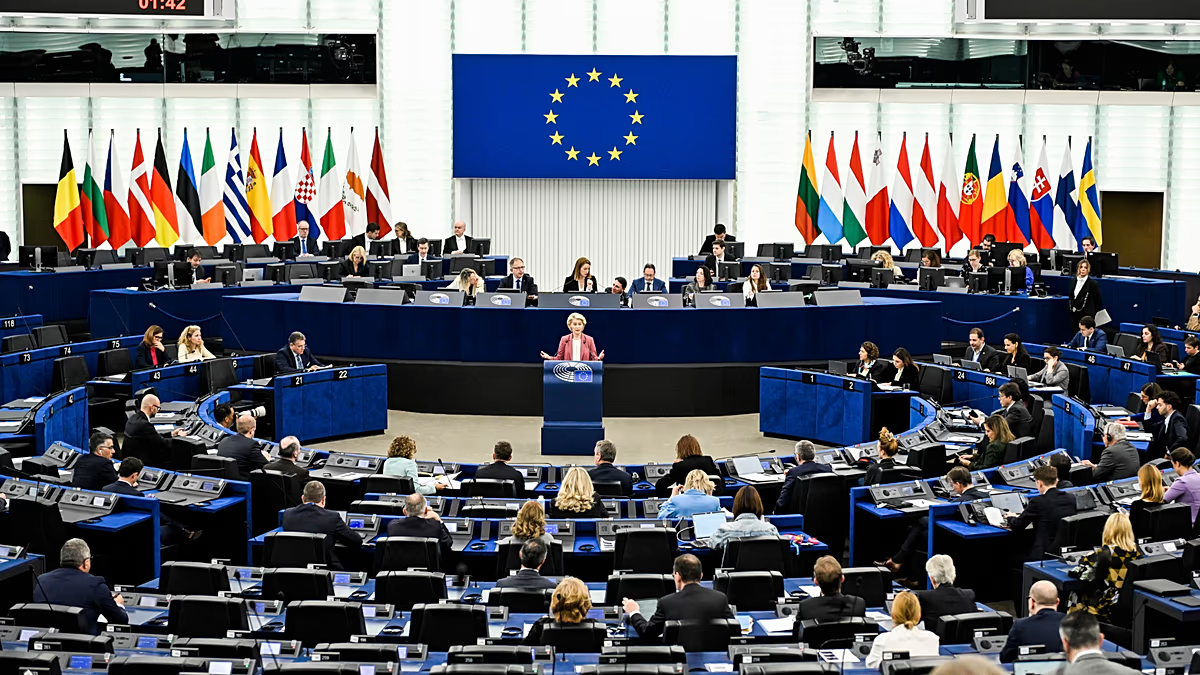
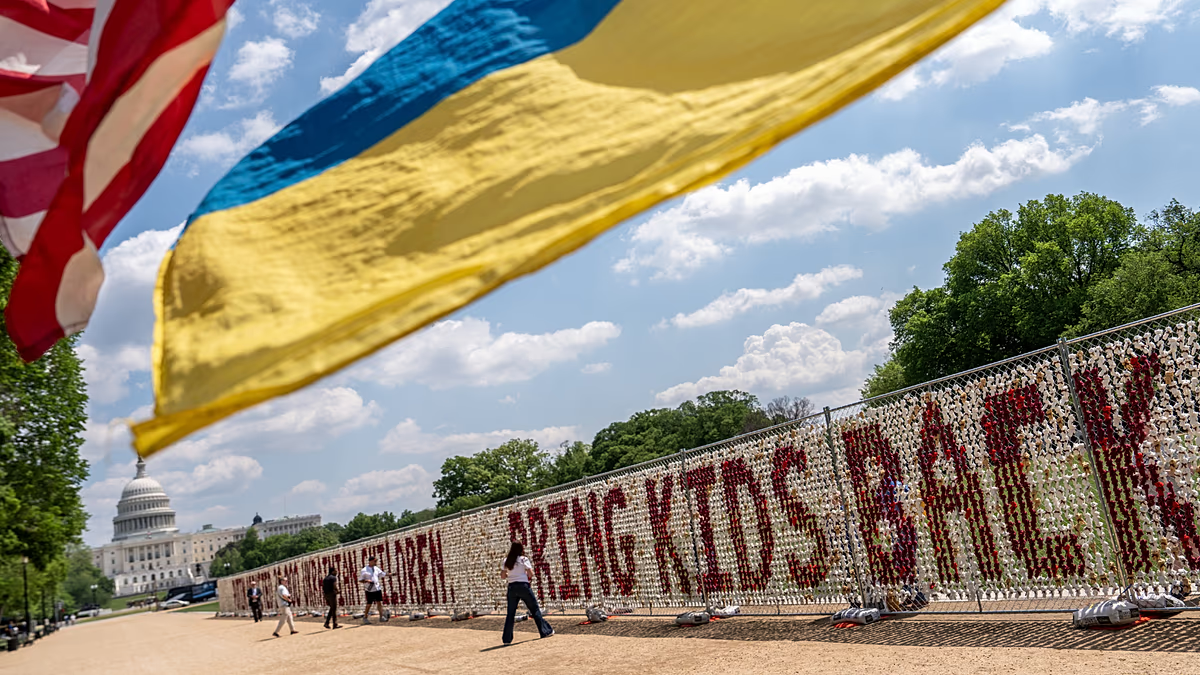
Here in Brussels, the agenda is densely packed with two major events. First, EU foreign ministers are convening for a critical Foreign Affairs Council meeting. The twin crises of Russia’s war in Ukraine and the conflict in the Middle East are at the forefront. Regarding Ukraine, the bloc is poised to take a stronger moral and legal stand by expanding its blacklist of Russian individuals implicated in the abduction and forced adoption of thousands of Ukrainian children—a practice so grievous it has led to an International Criminal Court arrest warrant for President Vladimir Putin. EU foreign policy chief Kaja Kallas echoed a universal sentiment, calling it “awful, what is done to these children,” ahead of a dedicated conference on their safe return. Simultaneously, ministers are seeking progress on sanctions against violent Israeli settlers in the West Bank, a move championed by several member states who feel it is “long overdue,” with some even pushing to extend measures to extremist ministers within the Israeli government.
The second pivotal event in Brussels is a high-level political dialogue with Syria, signaling a tentative shift in relations. With President Bashar al-Assad’s rule ended and a transitional government in place, the EU is cautiously exploring the restart of negotiations for an Association Agreement. Such a deal could unlock funding for Syria’s daunting post-war reconstruction and stimulate foreign investment. However, this diplomatic warming is met with warranted caution. Human rights organizations like Human Rights Watch have welcomed the engagement but urgently stress that any agreement must not sideline justice and accountability for past atrocities, calling for tangible reforms. An EU official aptly noted that this process “takes time,” acknowledging the profound complexities involved in rebuilding a society fractured by nearly 14 years of war.
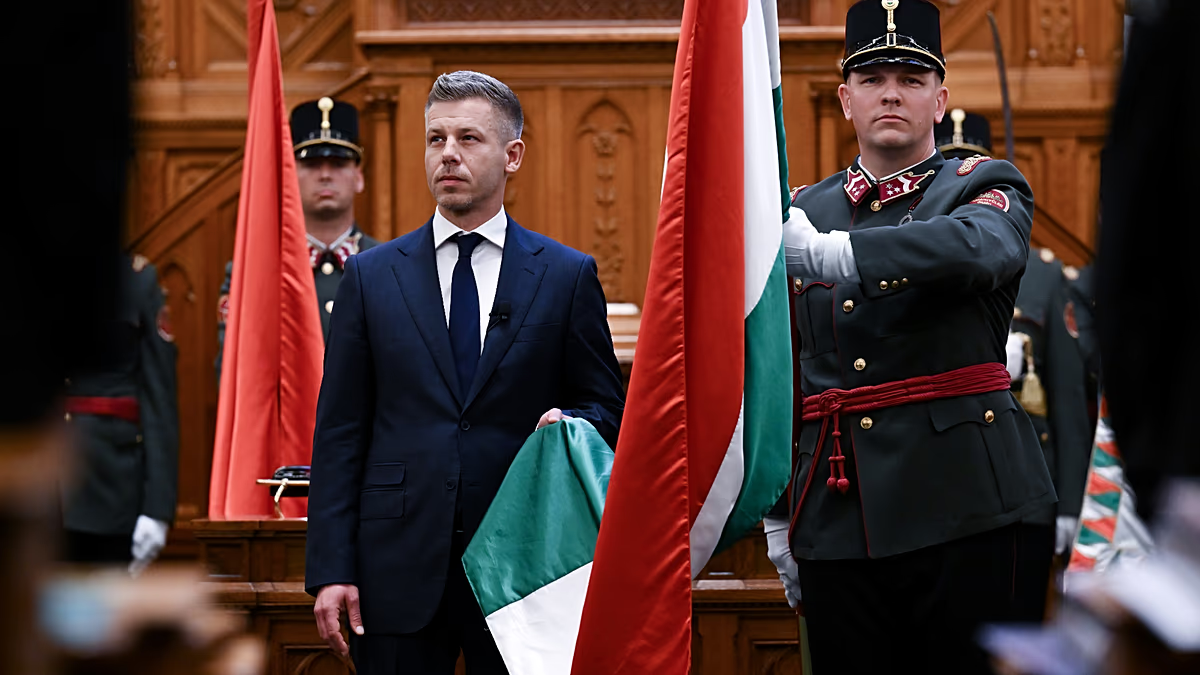
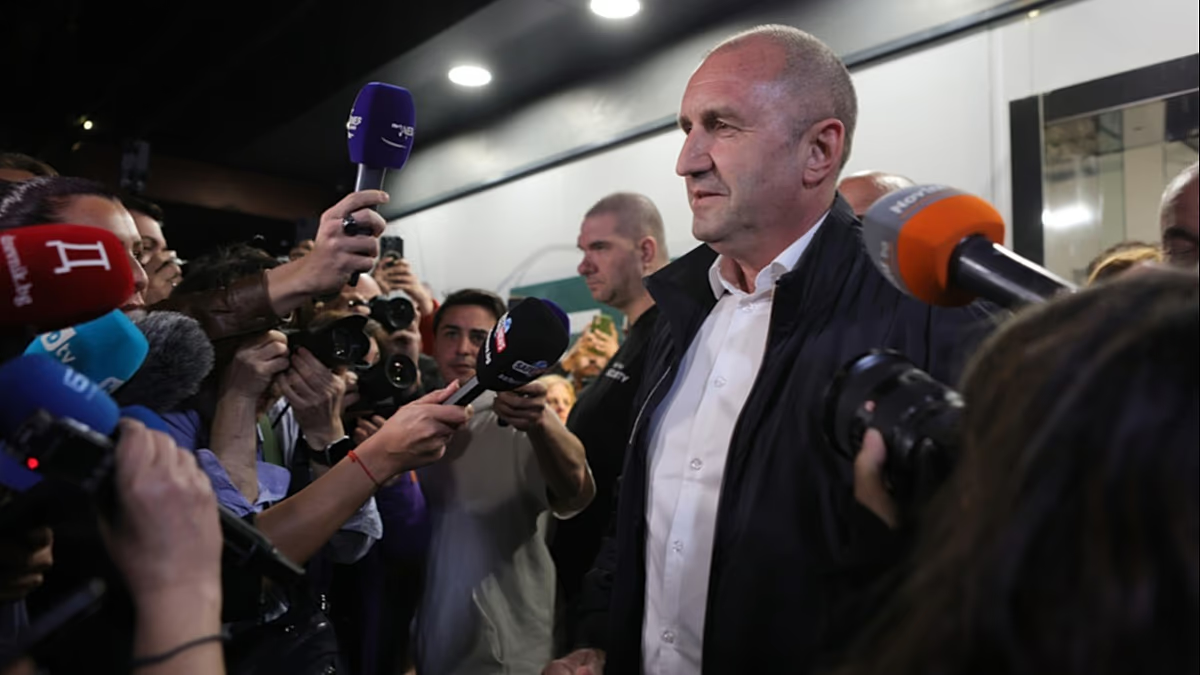
Adding another layer of uncertainty to the EU’s day is the political transformation in Hungary. The recent swearing-in of new Prime Minister Péter Magyar has Brussels watching intently for signs of a shift in Budapest’s longstanding obstructive stance on key files, particularly unwavering support for Ukraine. Critical decisions loom, such as replenishing the European Peace Facility that funds military aid for Kyiv, and advancing those stalled sanctions on Israeli settlers. Diplomats are in a “wait-and-see” mode, curious whether the new leadership will align more closely with the bloc’s consensus or maintain its contrarian path. The absence of Hungary’s new foreign minister from today’s talks means definitive answers will have to wait.
Beyond Europe, a potential breakthrough for Middle East peace appears to be faltering. The United States has received Iran’s official response to a proposed peace deal, and President Donald Trump has publicly dismissed it as “totally unacceptable.” The details remain shrouded, but Iranian media suggest their counter-proposal focuses on ending the conflict and ensuring maritime security in the volatile Persian Gulf, particularly near Lebanon and the Strait of Hormuz. This rejection leaves a multi-week ceasefire hanging by a thread. The US vision, which involved a sequenced plan starting with a formal cessation of hostilities and the reopening of the vital Strait of Hormuz before tackling thornier issues like Iran’s nuclear program, now seems distant. This setback underscores the deep-seated mistrust and competing priorities that make diplomacy in the region so profoundly difficult.
As we reflect on these unfolding stories, from the quest for justice for Ukrainian children to the fragile diplomacy with Syria and Iran, we are reminded that global stability is woven from countless such threads. Each meeting, each sanction, each rejected proposal, represents the ongoing and often arduous effort to manage conflict, uphold principles, and seek pathways toward peace. While the outcomes remain uncertain, the very act of engagement—however fraught—is a necessary testament to the belief that dialogue and collective action are preferable to the alternatives. The week ahead will continue to test these convictions, and we will be here, following every development.