


Of course. Here is a summary and humanization of the provided content, expanded to six paragraphs.
Paragraph 1
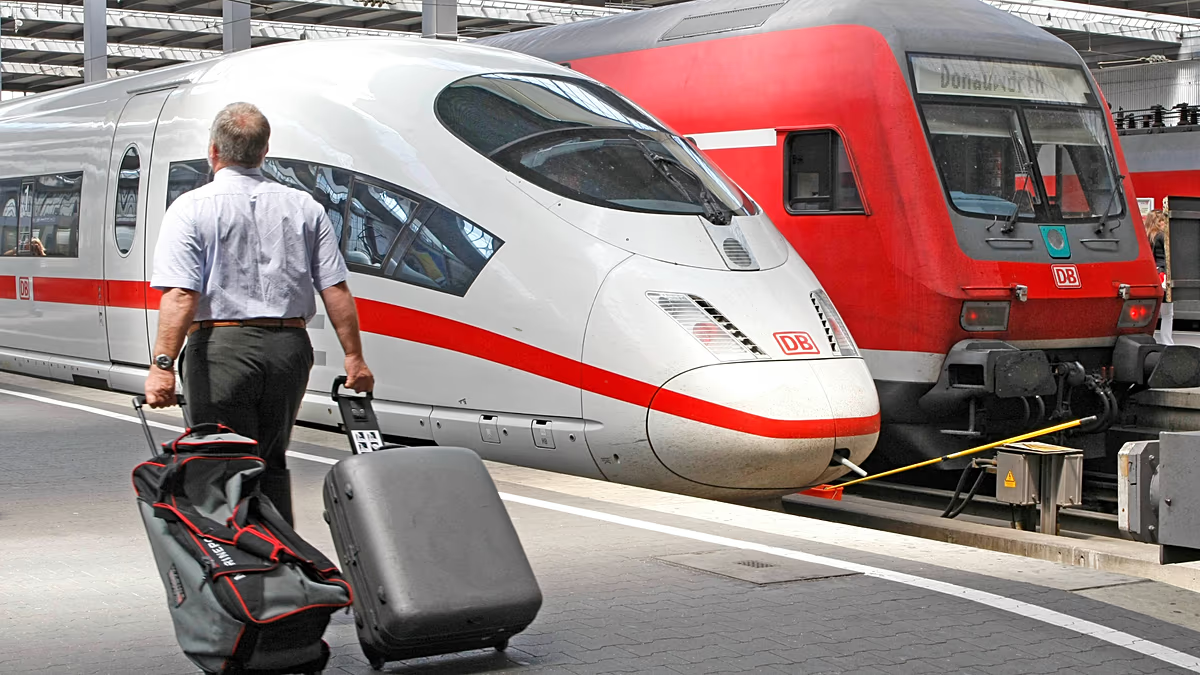
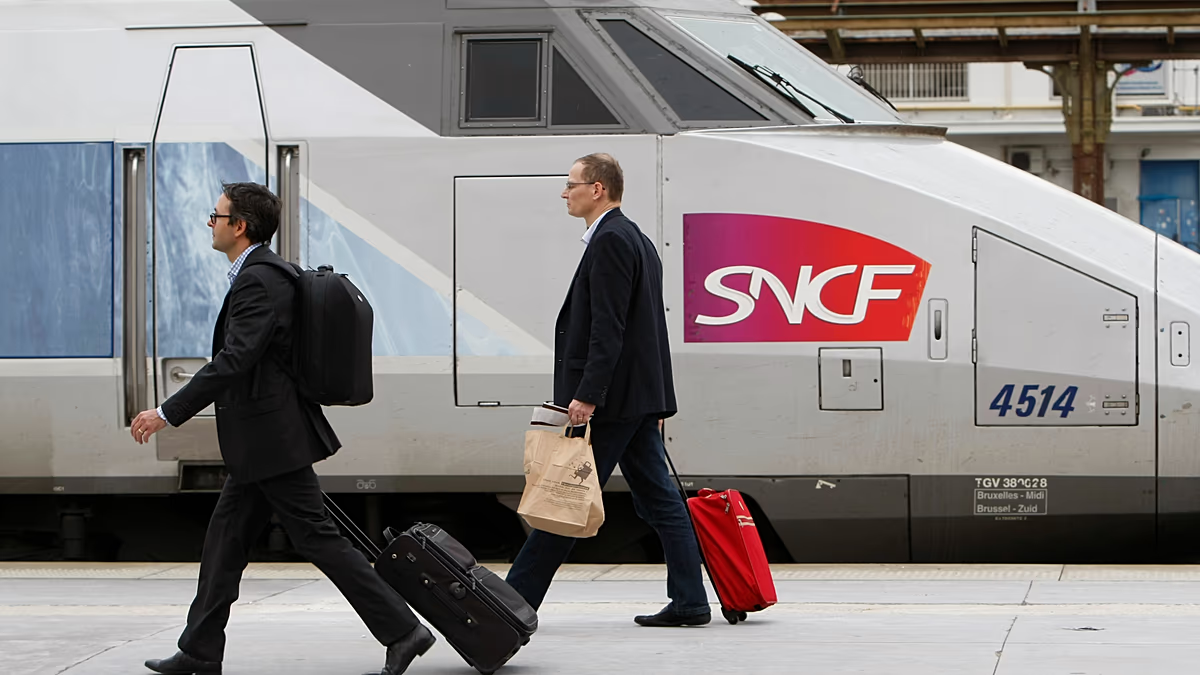
For many Europeans, the dream of a seamless cross-border train journey across the continent remains frustratingly out of reach. Recent data reveals a telling statistic: 43 percent of European citizens actively avoid booking multi-train journeys. The reasons are woven into the very fabric of the current system. A quarter of travelers report significant issues with today’s fragmented ticketing and booking platforms. Imagine planning a trip from Berlin to Milan, or Lisbon to Copenhagen; what often awaits is a digital maze of different national rail websites, incompatible schedules, and a lack of integrated pricing. The simple act of buying a single ticket for a journey that crosses two or three borders is currently impossible.
Paragraph 2
This logistical headache has real-world consequences. Those brave souls who do attempt these rail adventures find themselves vulnerable. If a delay or cancellation occurs on one leg of the journey in one country, there is often no unified protection or clear recourse. You might be stranded, left to navigate different national compensation rules on your own. This lack of security and cohesion effectively pushes travelers towards a simpler, albeit more environmentally damaging, alternative: air travel. For many, flying becomes the default not out of preference, but out of practical necessity—it’s frequently cheaper and, despite its environmental cost, paradoxically less complicated to book.
Paragraph 3
Recognizing this systemic failure, the European Union is proposing a transformative solution. A new framework aims to dismantle these digital and bureaucratic barriers. It would compel national rail carriers and private operators to collaborate, creating a system where point-to-point, multi-leg, cross-border journeys can be booked through one single transaction and covered by one single ticket. The vision is a unified platform—a digital portal where a passenger can find, compare, and purchase tickets spanning different national networks as easily as they now book a flight.
Paragraph 4
This integration would come with a powerful new shield for passengers: consolidated rights. Under the proposed system, the responsible companies would be obligated to provide a clear chain of assistance in case of disruption. This means guaranteed compensation, arrangements for accommodation, immediate assistance, and rerouting options—all covered under that one ticket. It seeks to replicate the confidence travelers have when booking a single airline ticket, transferring that assurance to the European rail network.
Paragraph 5
Such a monumental shift naturally prompts critical questions. Do you agree with this proposal? On one hand, it promises to unlock the true potential of European rail, making it a competitive, attractive, and sustainable backbone for continental travel. It would empower citizens, reduce carbon emissions, and foster a deeper sense of continental connectivity. On the other hand, could such sweeping regulation stifle competition? Might it strip railway companies of their commercial freedom by forcing them into a standardized system? The balance between creating a public good and preserving market innovation is delicate.
Paragraph 6
As Europe strives to modernize its infrastructure and secure its position in an age of rapid technological change, including the rise of artificial intelligence, this debate is emblematic of larger challenges. The outcomes will shape not only how we travel but how integrated systems function across borders. Your perspective on this proposal is valuable. By sharing your view—whether you see it as a necessary step towards a unified Europe or a potential overreach into market dynamics—you contribute to a broader conversation about the future of European mobility, sustainability, and digital integration.