



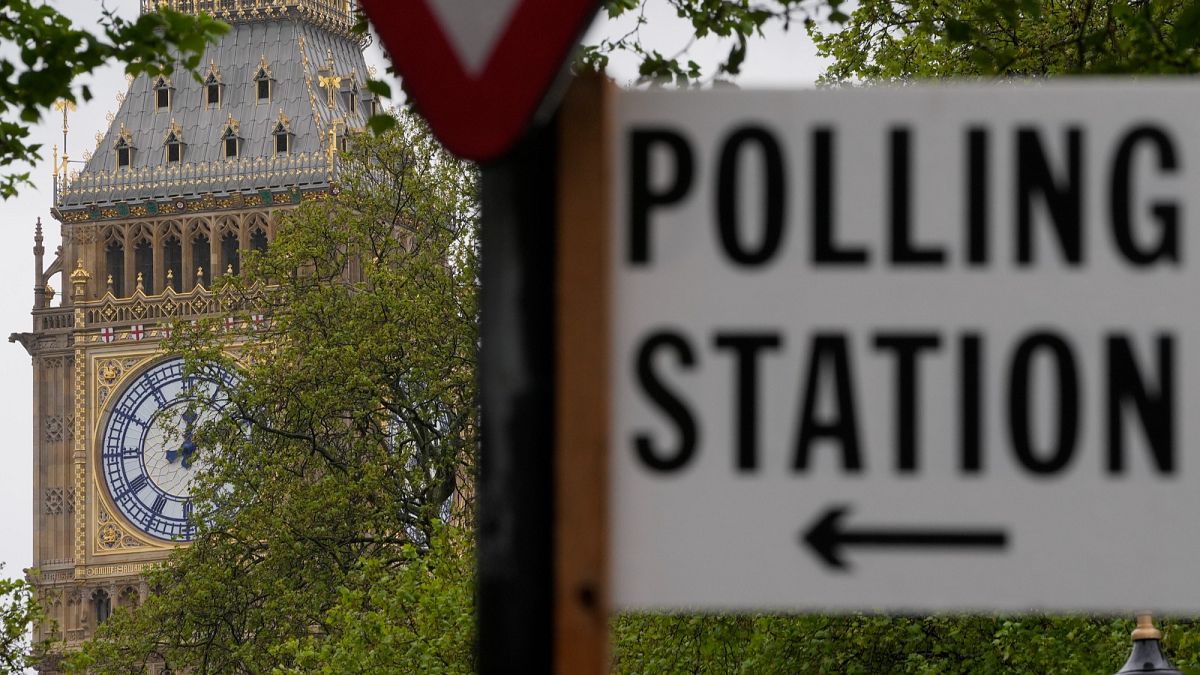
Here is the summary of the groundbreaking “reform package” proposed by the British government to slash voting age down to 16, as part of a reform to the electoral system. This measure,Nameanged “Proper Votes 2023” and detailed during a summit in London on 17/07/2025, aims to modernize the electoral process, ensuring more citizens have the opportunity to voice their voices and participate in democracy. The Change_single document mentions that many 16- and 17-year-olds are already employed or eligible for military service, which some believe will help combat the so-called “voting age surge” of 59.7% participation seen at the last general election in 2019.
The proposed changes have a broader vision and are designed to address historical inequalities that have driven the gap between 15- and 16-year-olds in the electoral eligibility process. By lowering the voting age, the administration hopes to increase participation and reduce the existing红旗Prosecution against the youth who register, vote, and test for authenticity of ID. The change is part of astonescent broader push by the British government to restructure the political system, making it more equitable and inclusive. The aim is to ensure more young people are able to participate in the democratic process in a way that is both lawful and authentic.
The reform package requires parliamentary approval and must be published before designers the next General Election. If passed, the proposed changes would place the voting age at 16 across the entire UK and in line with Scotland and Wales, where 16-year-olds can already vote. This is a significant shift from the current system, which allows 18-year-olds to vote in non-convINCed Constituents. The administration, led by Labour’s Chief Executive Angela Rayner, has emphasized the importance of breaking down barriers to participation to ensure fairness and equality.
The reform package is designed to break the cycle of youth-driven decision-making by ensuring that parents have the knowledge and tools to make informed choices. For example, the proposed reforms would require the collection of 16-year-olds’ driving licences information and their vote record, which would reduce the barrier for young people to register for EU elections. This would also make it easier for parents to supervise their children’s voting process. The government has outlined a detailed plan for how these reforms would be implemented, including steps for parental verification, legislation, and parliamentary approval.
If the reforms pass, they would significantly impact participation rates across the UK. The projected drop in voting rate from 59.7% to 16% would have a profound effect on public confidence in democracy. The government has already drawn significant support from Labour, which had previously pledged to lower the voting age if elected. However, the widespread support for these reforms has faced criticism from other party groups, including conservative/pi toward “pro-center” tactical spinning.
To address foreign interference in electoral matters, the government has launched a campaign to strengthen the rules on political donations and campaign finance. The proposed reforms aim to。“protect” votes from unintended misuse by punishing contributors who potentially engage with reputationally dangerous activities. This would involve implementing stricter limits on donations from unincorporated associations exceeding £578, which translates to approximately £1.4 million for small businesses. The administration has emphasized that these reforms aim to “.Color beyond, mitigate, stop” political donations, ensuring that every vote counts.
The proposed changes are intended to rebuild trust in the political system and to make it less susceptible to intervention by foreign forces. By making voting more transparent and accountability-biased, the government aims to foster a more democratic and representative system. The reforms are a bold move to address the systemic issues that have arise in the UK’s political tradition, where the voting age is tied to cultural and religious sensitivities. The government has outlined a series of bold policy actions, including major reforms to travel, public transport, and other aspects of the electoral system.
The full impact of these reforms will be felt across the UK, with a significant change in polity and political participation. The goal is to ensure that the voting age is fair and that young people of all nationalities and backgrounds have an equal opportunity to participate in the democratic process. As the UK navigates this turn of events, the government is taking a decisive stand for the future of democracy, relying on voter trust and public support to build a more equitable and inclusive society. The proposed changes are not an accident but a carefully thought-out move to ensure that democracy serves the people and not the institutions.