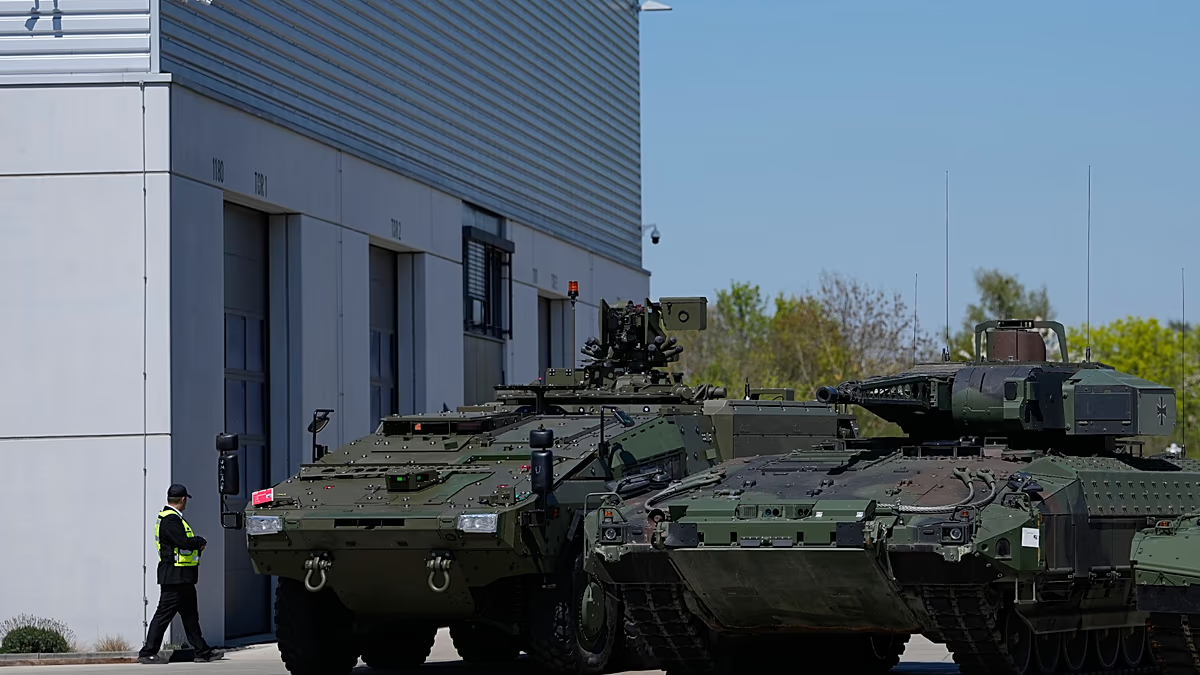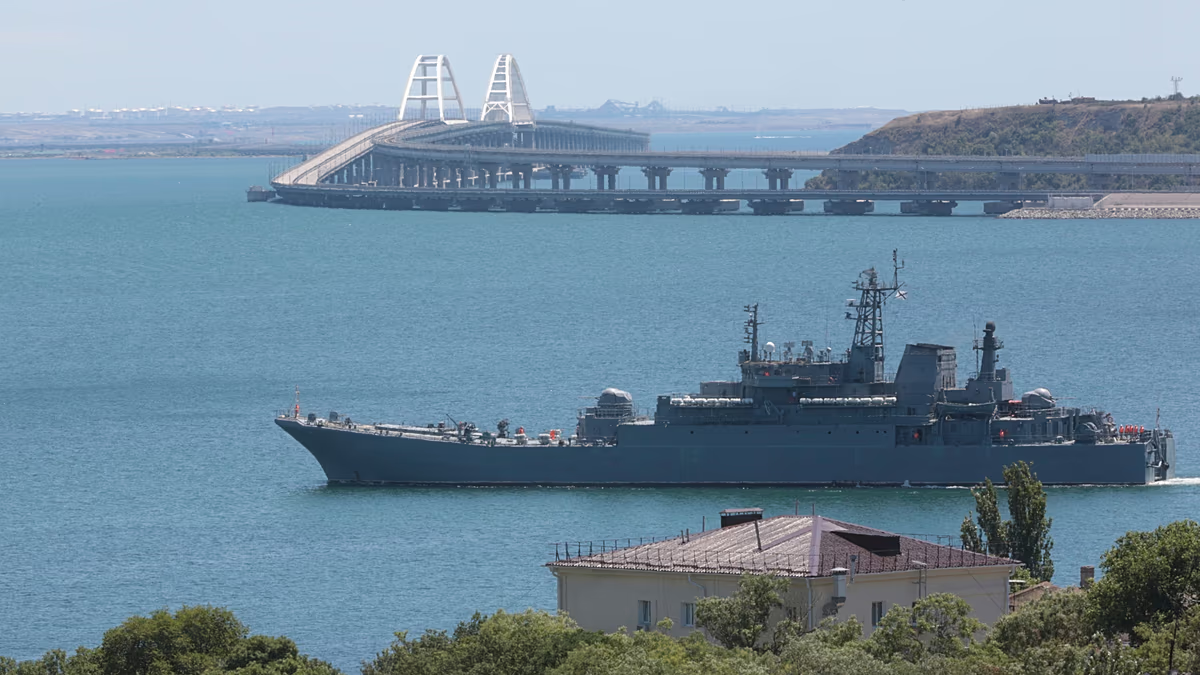




A profound and potentially destabilizing shift is underway in the transatlantic security partnership, as the United States moves decisively to withdraw critical military capabilities from its NATO commitments in Europe. According to reports, the Trump administration is enacting a detailed plan to strip away the deep-strike assets that have formed the backbone of NATO’s offensive deterrence for decades. This includes the complete withdrawal of strategic, long-range assets such as the stealth B-2 and the venerable B-52 bombers, alongside key naval power like missile-launching submarines and aircraft carriers. These formidable tools of power projection are to be redirected to other global theatres, fundamentally altering the strategic calculus on the European continent.
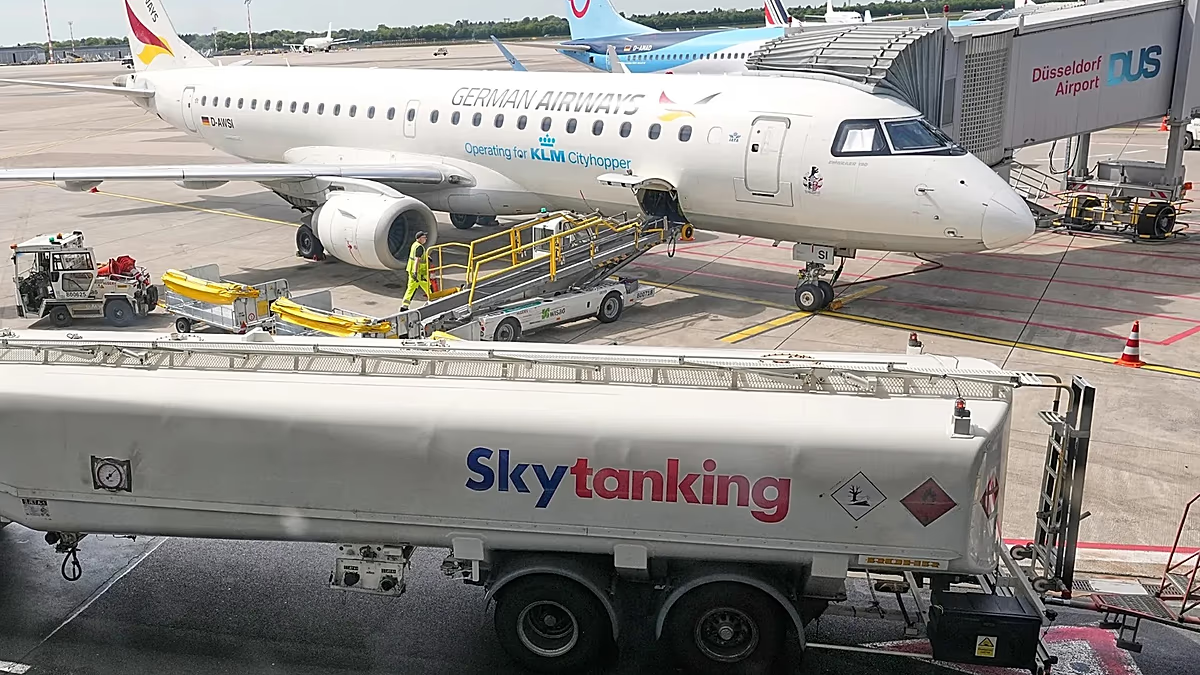
The retrenchment extends far beyond these headline-grabbing systems into the essential support infrastructure that enables allied operations. Plans indicate a reduction in fighter jets like the F-16s and F-15Es available to NATO command, cuts to maritime reconnaissance aircraft, and the withdrawal of all aerial refuelling tankers previously dedicated to Europe. These moves, formalized within NATO’s Force Model planning system, represent a deliberate “right-sizing” of the American contribution, as stated by the US European Command. The message is unambiguous: Europe’s primary deterrent against a major power conflict will, henceforth, need to be sourced increasingly from within Europe itself.
NATO’s senior leadership, having anticipated this shift for months, publicly frames this as a manageable challenge, emphasizing the continent’s increased defense spending and growing capabilities. Officials like outgoing NATO Secretary General Jens Rutte have pointed to the strategic necessity of a US “pivot” to Asia, suggesting European allies are now prepared to fill any resulting gaps. This public posture of confidence, however, belies the immense scale of the capability being removed and the severe logistical challenges involved in replacing it. The loss of long-range bombers and global intelligence, surveillance, and reconnaissance networks is not something that can be offset quickly or easily, even with increased European budgets.
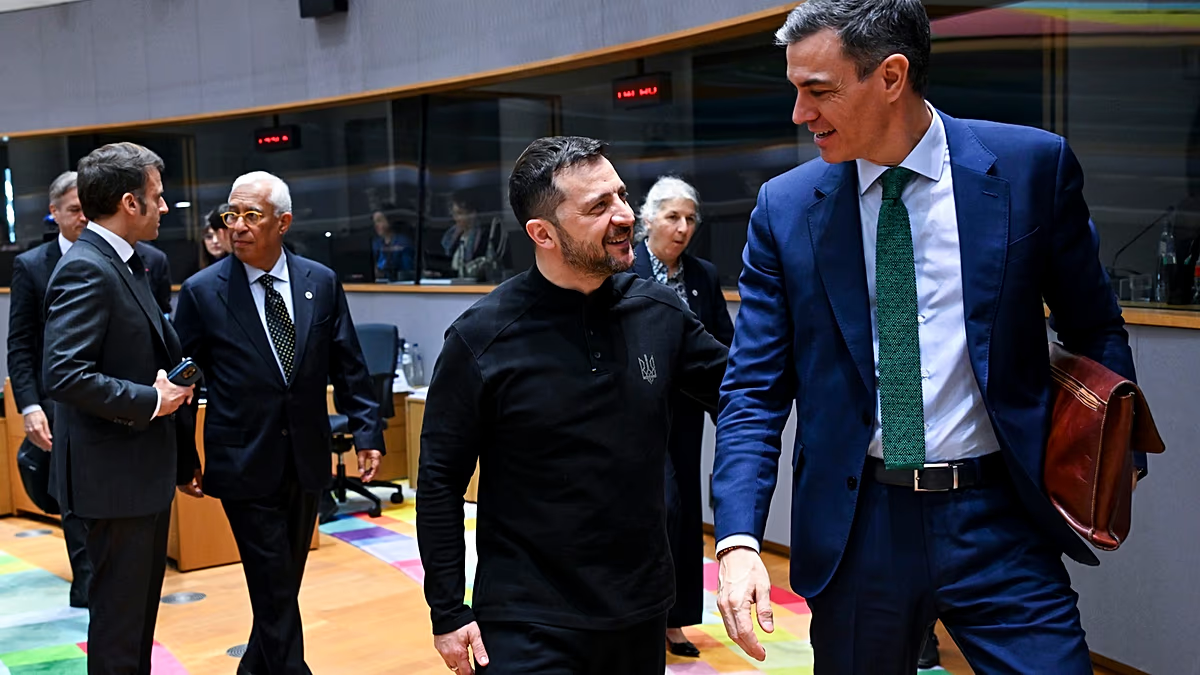
The timing of this detailed announcement exacerbates an already severe crisis in trust within the alliance, stemming directly from the war in Iran. President Trump’s fury at European allies—including Spain, Italy, and France—for refusing to grant overflight rights or base access for US operations against Iran has boiled over into public, vitriolic threats. His social media proclamation that “Without the U.S.A., NATO IS A PAPER TIGER!” and his branding of allies as “COWARDS,” coupled with a vow to “REMEMBER,” has shattered diplomatic norms. This rhetoric frames the military drawdown not merely as a strategic rebalancing, but as a punitive measure against allies deemed disloyal.
In the wake of the Iran conflict, a separate, multinational effort is taking shape focused on the future security of the Strait of Hormuz, a critical global oil chokepoint. A coalition including NATO members alongside partners like South Korea and Australia is planning for post-conflict stabilization, pre-positioning frigates and personnel to eventually reopen the waterway. This endeavor, while significant, highlights a fragmented approach to global security: ad-hoc coalitions form for specific crises, while the core, integrated military structure of NATO is simultaneously being dismantled by its most powerful member. This creates a paradox of collective action for discrete problems amid a retreat from collective defense.
The cumulative effect of these developments marks a historic inflection point. The United States is not just reducing troop numbers but systematically extracting the high-end, expeditionary capabilities that underwrite NATO’s ability to project power and respond decisively to aggression beyond its borders. This action, coupled with the unprecedented rancor from the American president, forces a fundamental reassessment of the alliance’s nature. Europe is confronted with a stark ultimatum, delivered both in policy and in rhetoric: assume full, autonomous responsibility for its own conventional defense at a scope and scale not seen in over 75 years, or risk the erosion of its security and global influence. The era of unquestioned American underwriting of European security is over.