


A Spiritual Journey to the Edge of Europe: Pope Leo XIV Concludes Spanish Tour in Tenerife
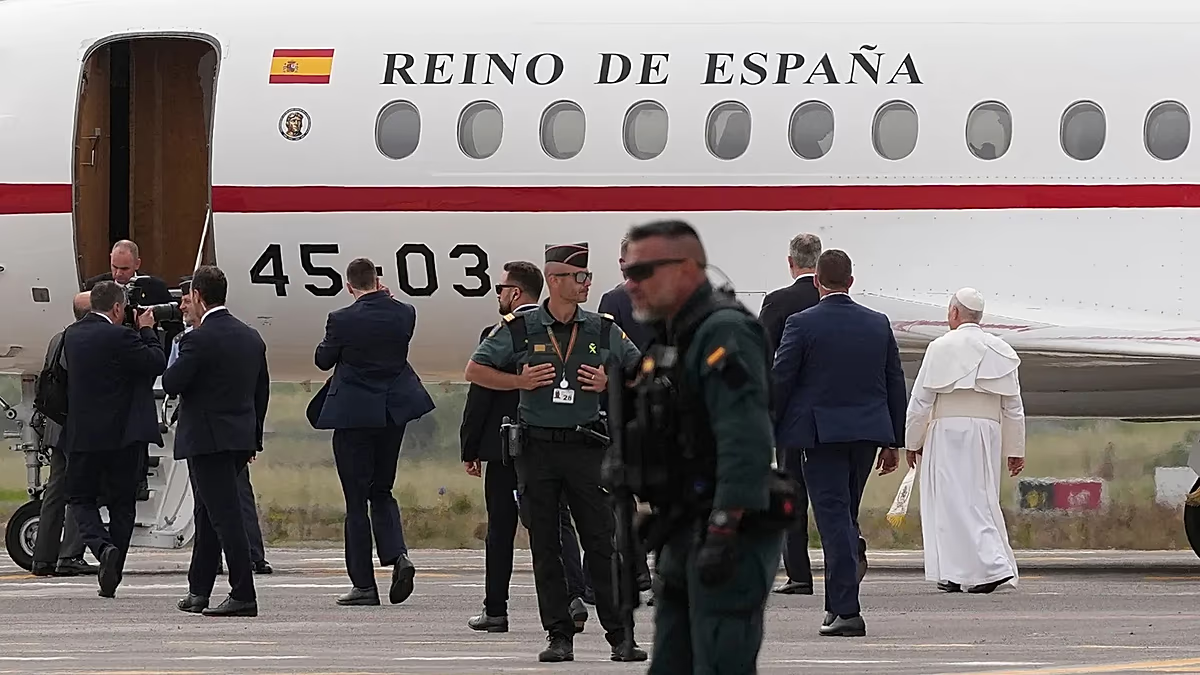
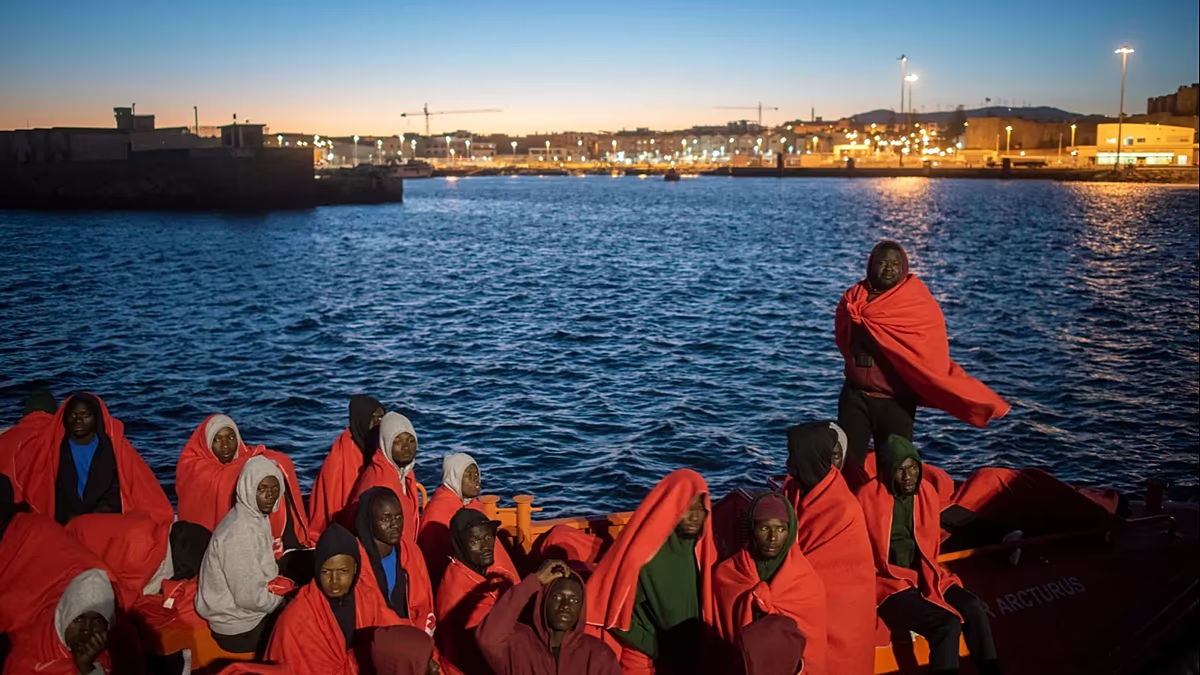
On a Friday in December, Pope Leo XIV stepped onto the tarmac in Tenerife, bringing a momentous tour of Spain to its poignant conclusion. His journey, which had already included the historic and metropolitan centers of Madrid and Barcelona, now found its ultimate purpose on the dramatic volcanic shores of the Canary Islands. This archipelago, a sun-drenched European vacation destination for many, stands as a starkly different symbol on the global stage: one of the primary frontlines of the human migration crisis. As his final act on Spanish soil, the pontiff’s visit was deliberately and powerfully framed by the thousands of desperate Atlantic crossings made from the coast of Africa to these very islands, transforming his pilgrimage into a direct encounter with one of the most pressing humanitarian issues of our time.
Throughout his stay, Pope Leo XIV consistently directed the world’s attention to the plight of migrants, issuing a heartfelt appeal for increased protection for those risking everything on perilous sea routes. He framed the crisis not merely as a political or logistical challenge, but as a profound moral imperative, declaring that “God’s love knows no borders, makes no distinctions, is offered to all and brings us together in unity.” This theological foundation became the bedrock for his practical message. During a meeting with grassroots organizations serving migrants, he elaborated on the concept of integration as a “process of shared responsibility.” He wisely outlined a two-way street: newcomers must embrace the language, laws, and customs of their host society and contribute actively to community life, while receiving societies must equally extend the hand of welcome and opportunity.
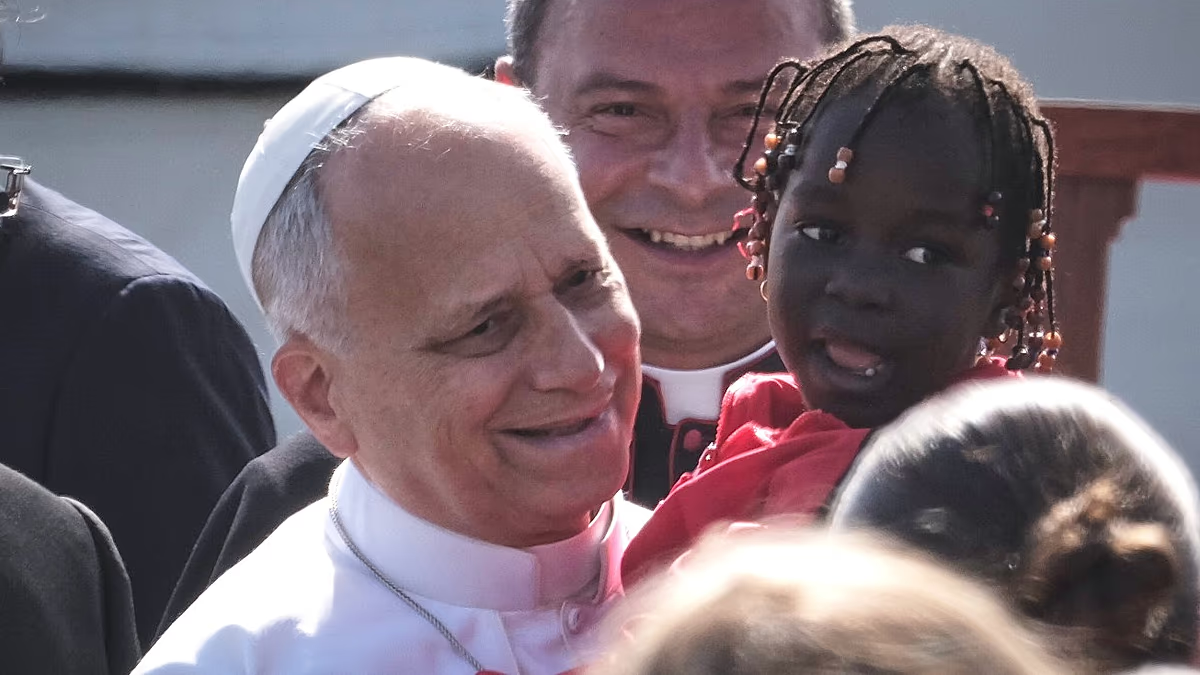
However, the Pope’s compassion was clearest when he moved beyond abstract principles to describe the harsh, ongoing reality migrants face. With poignant clarity, he warned that the dangers do not cease upon arrival on European shores. Many survivors, he noted, endure a second, “silent shipwreck” after their physical journey ends, finding themselves isolated, without support networks, legitimate work, or basic security, and tragically vulnerable to exploitation and abuse. This powerful metaphor highlighted the continuum of suffering that extends far from the headlines of rescue at sea into the shadows of unwelcoming communities. His understanding was deepened by a visit to the Las Raíces reception center in Tenerife, a temporary home to hundreds. There, he universalized the migrant experience, telling residents, “In one way or another, we are all migrants.” From a Christian perspective, he reframed life itself as a shared pilgrimage toward a common, divine destination, seeking to restore dignity and shared humanity to those who often feel discarded.
Leo XIV’s moral leadership led him to deliver one of his most direct and challenging messages, aimed not at governments or institutions, but at the criminal perpetrators of the crisis. He explicitly addressed the gangs and networks involved in people trafficking, urging those who profit from organizing these deadly, irregular routes to abandon their practices. He called on them to seriously reflect on the immense human suffering they cause, framing their actions not as mere crimes but as direct assaults on human dignity and life itself. This bold confrontation underscored the Church’s role in speaking truth to all forms of power, whether political, economic, or criminal, that devalue human life.
The culmination of this spiritually charged and socially engaged visit was a grand, open-air Mass in the port of Santa Cruz de Tenerife. Tens of thousands of faithful gathered under the vast Atlantic sky, a visual representation of the community of belief the Pope had consistently invoked. This celebration served as a powerful, symbolic closure: a moment of unity, prayer, and hope on the very coastline that for so many represents both a treacherous end and a desperate new beginning. The liturgy stood in stark, peaceful contrast to the turbulent journeys that had dominated the thematic core of his visit.
In essence, Pope Leo XIV’s tour of Spain evolved into a profound narrative that culminated in the Canary Islands. By moving from the continent’s political centers to its vulnerable periphery, he masterfully used his platform to elevate a global humanitarian emergency into a central matter of faith and conscience. His messages—spanning the necessity of humane integration, the reality of post-arrival struggles, the universal nature of the human journey, and the condemnation of predatory trafficking—together formed a comprehensive and compassionate Catholic response. He left behind a challenge not only to Spain and Europe but to the conscience of the world: to see the migrant not as a problem to be solved, but as a brother or sister on a shared path, deserving of safety, dignity, and a chance to contribute to the common good.