



In the rugged, mountainous heart of central Laos, a story of survival and human endurance unfolded in late May. For over a week, the fate of seven villagers from Xaisomboun province hung in the balance, as they were trapped deep within a flooded cave system after sudden flash floods blocked their only exit. The community, and indeed the wider region, held a collective breath until Wednesday, when rescuers delivered the miraculous news that five of the individuals had been found alive. The moment of discovery, captured in a video by Thai rescue teams, showed divers emerging from dark waters to find the group sitting together on a rock ledge, each wearing a headlamp, surrounded by the cave’s inundated chambers. Yet, the relief was tempered by ongoing concern, as two villagers remained missing, prompting a continued and determined search operation in the challenging conditions.
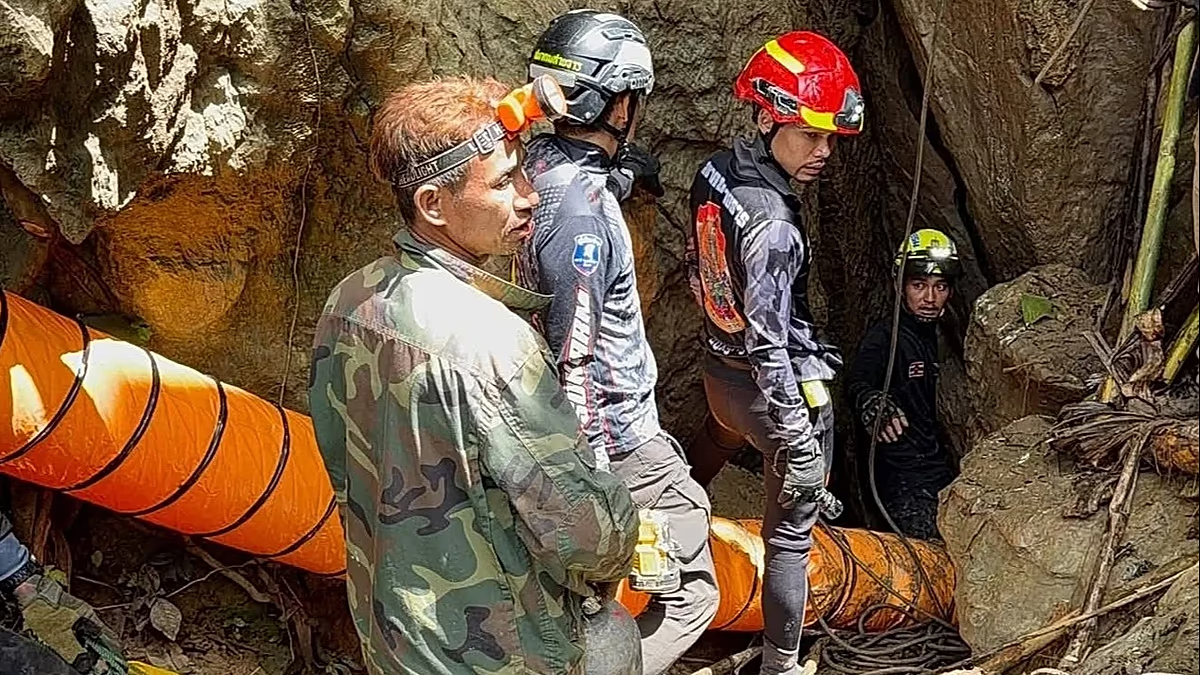
This rescue was not an isolated effort, but a testament to regional solidarity and shared expertise. The complexity of the operation drew rescue workers from neighboring Thailand, who arrived at the site over the weekend. Among them were divers who brought critical experience from one of the most famous rescue missions in recent memory: the 2018 extraction of twelve young football players and their coach from a cave in northern Thailand. That ordeal, which captivated the world, provided a reservoir of knowledge and technique that was now being applied to this new crisis in Laos. The collaborative spirit was palpable in videos from the scene, which showed rescuers from various nations, after the successful find, cheering, jumping, and embracing one another in a raw outburst of relief and shared triumph. One Lao rescuer, Bounkham Luanglath, summed up the emotional intensity in a voice message, stating, “I’m still shaking. Our team made it happen.”
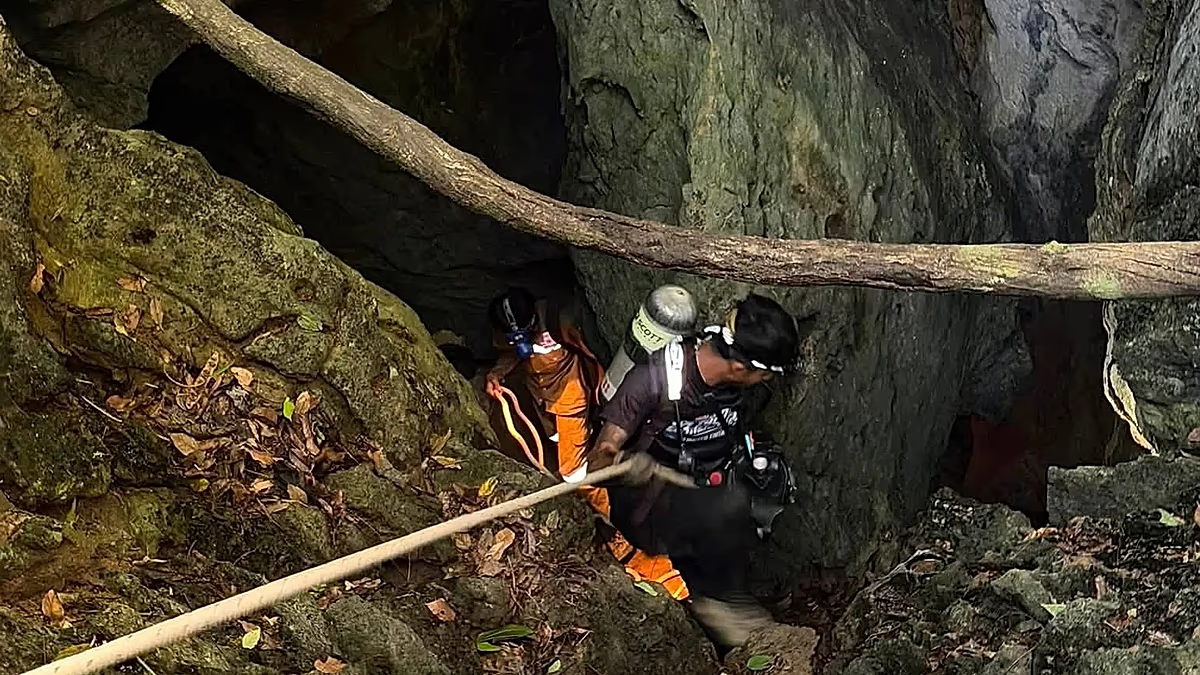
The physical hurdles facing these teams were immense. The cave is located in Longcheng district, a remote area about 120 kilometers north of the capital, Vientiane. Rescuers documented on social media the punishing combination of steep, mountainous terrain and persistent heavy rain, which hampered access and operations. Videos shared by Thai teams illustrated the arduous journey: reaching the cave’s entrance required a steep, four-kilometer hike on foot. The entrance itself was a narrow, rocky fissure, barely wide enough for one person to climb through at a time. This treacherous geography turned a rescue into an expedition, demanding not only diving skills but also mountaineering resilience from every participant.
While the primary focus remained on the search and rescue, questions arose about why the villagers had entered the cave. According to Bounkham, the cave was known to local residents as a place where one might search for gold. This practice persisted despite repeated warnings from authorities about the dangers of entering the unstable cave system, especially during the rainy season. Their venture on May 19th, likely driven by economic necessity or local tradition, ended in a life-threatening trap when unexpected rains triggered rapid flooding, sealing them inside. This detail adds a layer of context to the drama, highlighting the everyday risks that some communities face in pursuit of livelihood, and the constant tension between local practices and official safety directives.
As the operation continues for the two missing individuals, the story stands as a profound example of human vulnerability and resilience. It underscores how quickly ordinary life can be overtaken by natural forces in such remote environments. Yet, it also showcases the powerful response that such crises can evoke—a response built on cross-border cooperation, the application of hard-earned experience from past tragedies, and the unwavering dedication of volunteer and professional rescuers. Their work, conducted in a barely accessible landscape under relentless rain, is a quiet testament to the value placed on every life.
Ultimately, this event in Laos is more than a news bulletin; it is a narrative of hope recovered from dark waters. The five villagers, now safe, carry with them the experience of a week-long ordeal in the depths, sustained by their own fortitude and the distant sounds of a growing rescue effort. For their two companions still missing, that effort presses on, a relentless search in the face of geographical and climatic adversity. The world watches, remembers the lessons from Thailand, and hopes for another full measure of light to emerge from the cave.