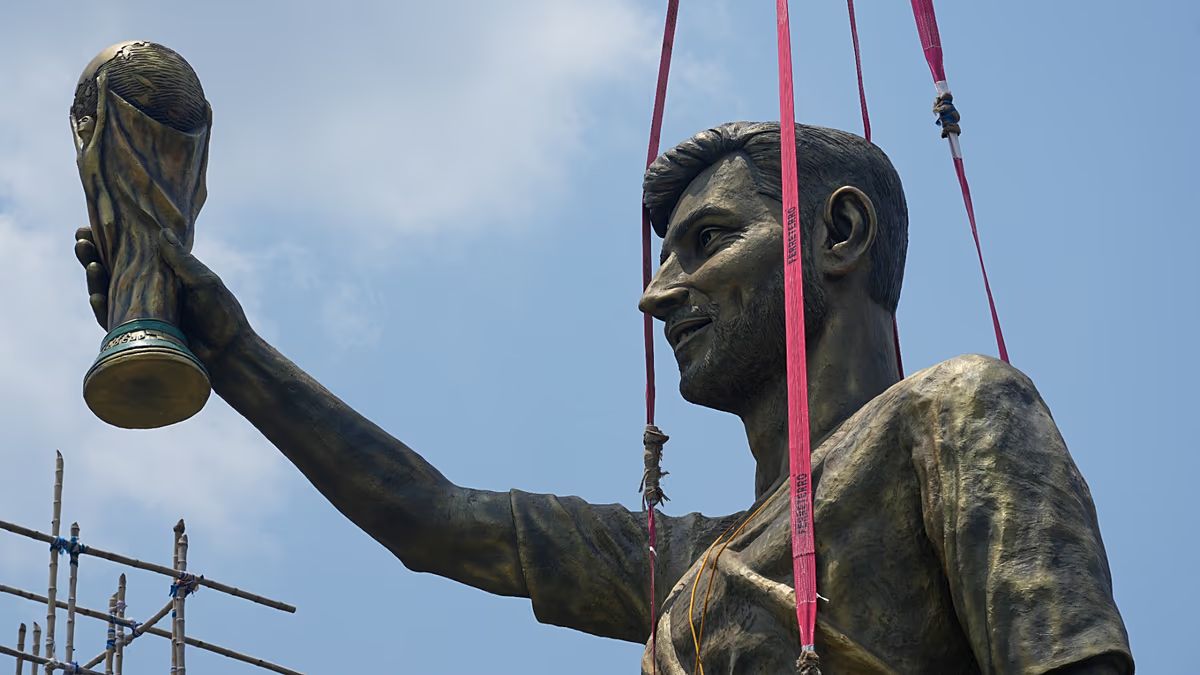



A tribute to footballing legend Lionel Messi, a 21-metre statue depicting the Argentine captain triumphantly lifting the World Cup trophy, has been dismantled in Kolkata, India. The monumental sculpture was unveiled amidst great fanfare in December 2023 as a centerpiece of the football star’s promotional “GOAT Tour” visit to the country. Erected in the bustling New Town area, it rapidly evolved from a temporary installation into a beloved local landmark. Fans and residents embraced the towering figure, with many making special trips to take photographs alongside the icon, symbolizing the deep and passionate connection between Kolkata’s football-crazy populace and the global sport. Its presence was a point of civic pride, a physical celebration of sporting excellence that transcended the event it was built to commemorate.
However, this symbol of celebration soon revealed a troubling flaw. Local officials and engineers, monitoring the structure in the face of Kolkata’s seasonal weather, observed a dangerous and unsettling movement. The colossal statue, constructed from lightweight materials including fibre-reinforced plastic over a steel frame, was found to be visibly swaying and shuddering during periods of strong wind. This alarming motion raised immediate and serious concerns about the statue’s structural integrity and long-term stability. What was designed as a monument to greatness had inadvertently become a looming public safety hazard, its potential for collapse posing a direct risk to the very community that had welcomed it.
Consequently, the authorities made the difficult but necessary decision to have the statue entirely removed, an action taken less than a year after its celebrated installation. The dismantling process, undertaken by a team of experts using cranes and cutting equipment, marked a swift and sobering reversal of fortune for the landmark. This turn of events transforms the narrative from one of pure celebration to a complex tale of logistical overreach and unintended consequence. The project’s shift from a triumphant tribute to a public safety issue underscores the critical importance of rigorous engineering and long-term planning, even for temporary or celebratory installations.
The episode invites reflection on the nature of modern tributes in the age of instant celebrity and global fan culture. The drive to create spectacular, attention-grabbing monuments to coincide with brief celebrity visits can sometimes outpace practical considerations of design, material suitability, and environmental durability. The intention to create a lasting memory is noble, but without a foundation in enduring craftsmanship, the memory can become one of disappointment and disassembly. The statue’s fleeting existence serves as a metaphor for the often-transient nature of such fan-driven spectacles, where the desire for immediate, shareable content can eclipse more grounded realities.
For the people of Kolkata, the removal is undoubtedly tinged with a sense of loss. The statue had become more than a promotional prop; it was a shared point of connection and a photo backdrop in the daily life of the neighborhood. Its absence leaves a literal and figurative empty space. Yet, the community’s response also highlights resilience and pragmatism. The primary emotion is not one of outrage toward Messi or the sport, but rather a collective acknowledgment that public safety must always come first. The affection for the player remains undimmed, even as the physical symbol of that admiration has been taken down.
Ultimately, the story of Messi’s towering but temporary statue in Kolkata is a multifaceted one. It is a story about fan devotion and civic ambition, about the best of intentions meeting the uncompromising laws of physics. It serves as a cautionary tale for cities and organizers worldwide, reminding us that true homage requires not just grand gestures but responsible execution. While the statue itself is gone, its brief journey from celebrated unveiling to necessary removal adds a unique, if humble, footnote to the legend of Lionel Messi—a reminder that even the most elevated icons must have their feet, and their foundations, planted firmly on the ground.