


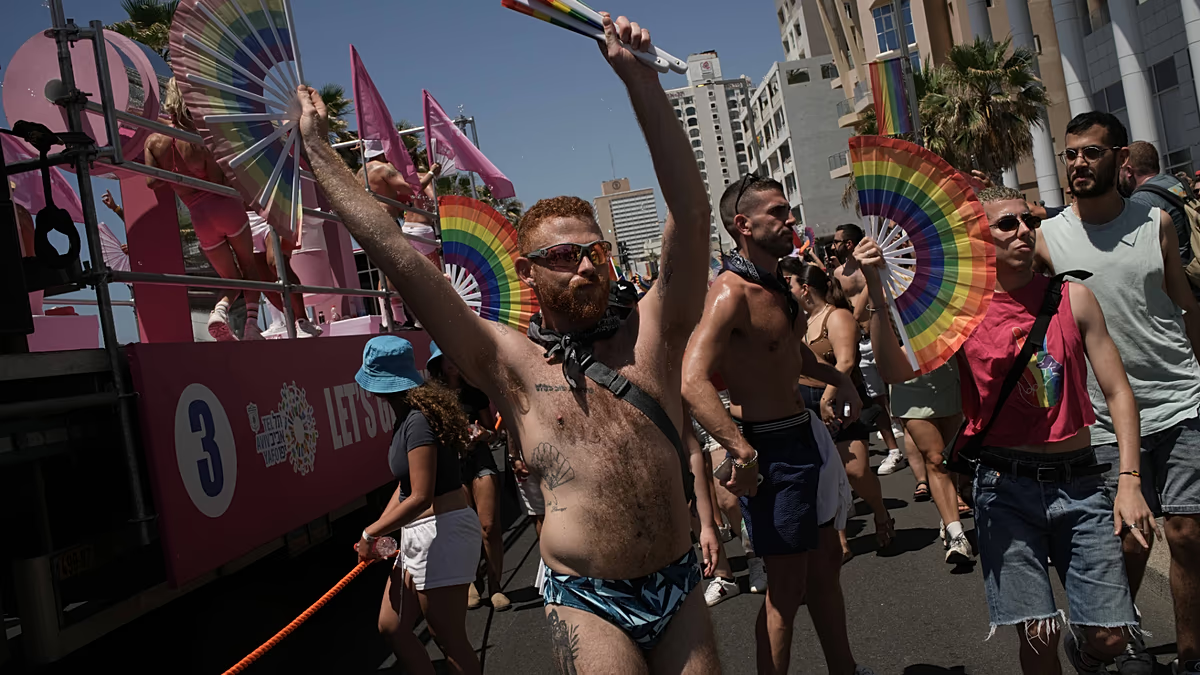
The annual Tel Aviv Pride Parade returned with a familiar, exuberant energy, transforming the city’s streets into a vibrant sea of color and sound. Participants, filled with a sense of joyful defiance, waved rainbow flags high and danced alongside music-filled floats, their laughter and cheers creating a powerful soundtrack of celebration. This visual and auditory spectacle was more than a party; it was a profound, collective call for continued action on equality and inclusion for LGBTQ+ individuals. To ensure the safety of this large-scale gathering, authorities deployed a significant security presence, with more than 1,000 police officers and volunteers working to secure the event’s route and participants. For the thousands in attendance, the parade represented a dual purpose: a celebration of identity and love, and a crucial public statement of resilience. This year’s march carried a particularly poignant weight, coming after several difficult years marked by deep political tensions, the shadow of war, and growing concerns about a rising tide of hostility toward LGBTQ+ people in various parts of the world.
Within the regional context, Israel presents a complex and often contrasting landscape for LGBTQ+ rights, a reality acknowledged by activists and marchers alike. It is notable that in Israel, LGBTQ+ individuals can serve openly in many spheres of public life, including in the military and the parliament, a level of visibility and formal inclusion that remains uncommon across much of the surrounding region. This progressive stance in certain institutions offers a degree of protection and recognition. However, seasoned campaigners and everyday participants were quick to emphasize that significant and deeply rooted challenges persist beneath this surface of openness. The legal and social journey toward full equality is far from complete, creating a gap between official policy and daily lived experience for many in the community.
This gap was given a human voice by participants who shared personal stories of hardship amidst the celebratory atmosphere. Some individuals described facing homophobic abuse and prejudice in their daily lives, pointing out that societal acceptance has not kept pace with some legal advancements. They argued that true equality—a state where one can live without fear of discrimination in housing, employment, or simply walking down the street—has not yet been fully realized. These personal testimonies highlighted a critical disconnect, reminding onlookers that the right to serve in the army or hold office does not automatically translate into universal safety, dignity, or social integration in all aspects of life.
A major source of this ongoing struggle stems from sustained political and religious opposition. Religious parties in Israel hold considerable influence and continue to actively oppose many LGBTQ+ rights initiatives, from adoption rights to legal recognition of relationships. This opposition reflects much broader, simmering debates within Israeli society about the intersection of state, religion, and individual liberties. The conflict between secular progressive values and traditional religious doctrines creates a persistent headwind against comprehensive legal reforms, meaning that every advance for the community is hard-won and perpetually under scrutiny. This political reality forms the challenging backdrop against which the colorful parade unfolded.
It was precisely against this backdrop of both regional uniqueness and domestic friction that the marchers in Tel Aviv imbued their celebration with clear purpose. The annual event served as a powerful platform to publicly reaffirm core demands for equal treatment under the law and in the culture at large. Each flag waved and each chant voiced was a reaffirmation of their right to exist openly and without fear. The parade’s primary mission was to promote visibility, acceptance, and the expansion of personal freedoms, pushing back against both societal indifference and active opposition. This public display of solidarity and pride is a strategic act of community building and political statement, aimed at educating the public and pressuring lawmakers.
In conclusion, the Tel Aviv Pride Parade stood as a multifaceted event: a jubilant festival of identity, a sobering testament to ongoing struggles, and a resilient act of political advocacy. It celebrated the real progress made in a challenging region while refusing to shy away from the equally real work that remains. The participants, protected by a ring of security, danced not just in joy but in determination, using their visibility as the first and most powerful step toward lasting change. Their message was clear: true pride encompasses both the celebration of how far they have come and the unwavering commitment to the journey ahead, until full equality and acceptance are achieved for every member of the LGBTQ+ community in Israel.