

Paragraph 1
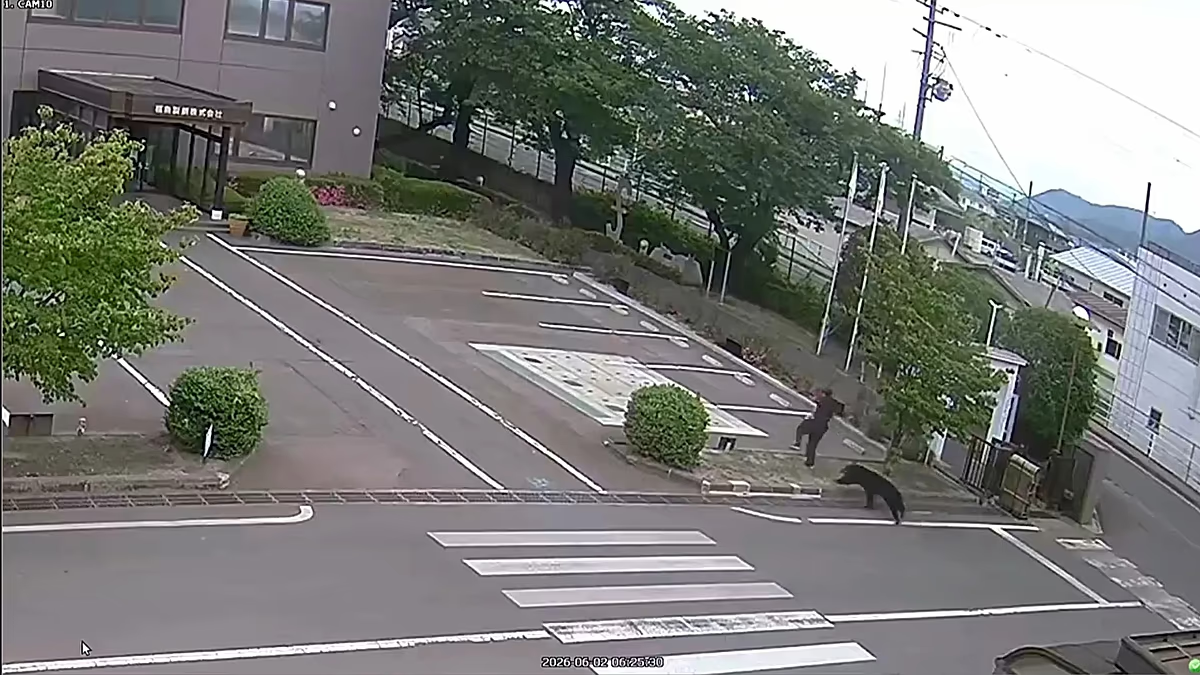
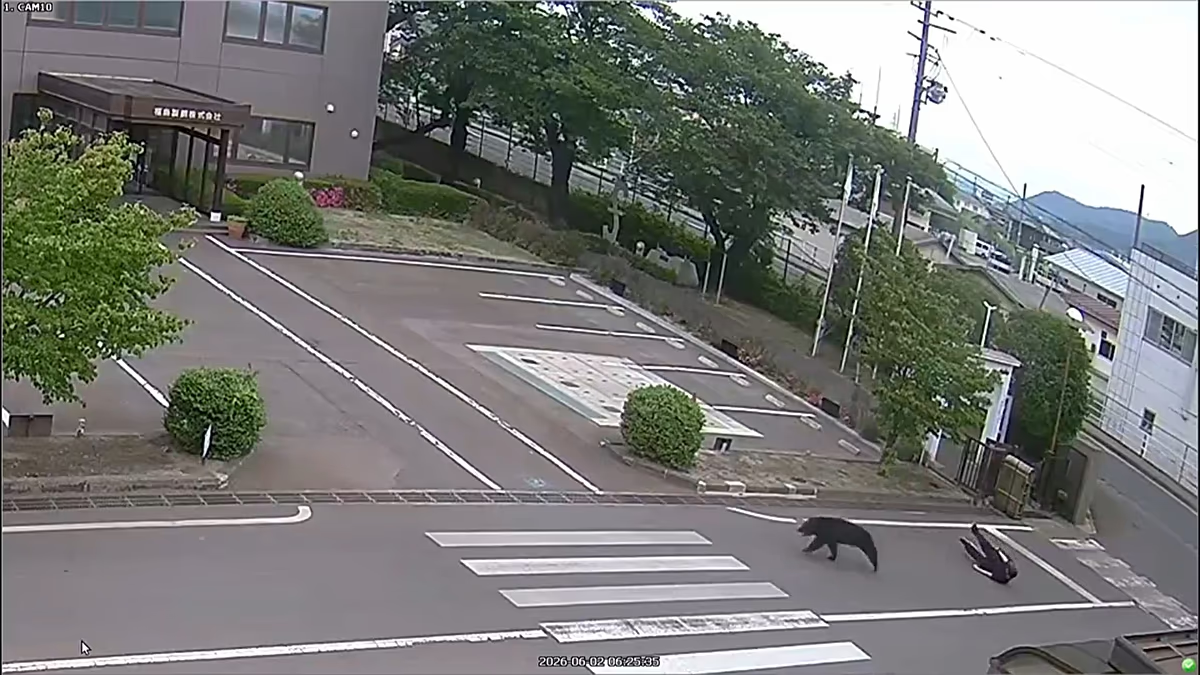
On a seemingly ordinary day in Fukushima, the predictable rhythm of factory work was shattered by an event that felt both primal and surreal. Closed-circuit television cameras, normally tasked with monitoring mundane comings and goings, captured a chilling scene: a powerful bear, emerging from the dwindling wild spaces, was seen chasing a factory worker across the paved grounds in a desperate and terrifying pursuit. This was not a distant sighting on a wooded trail, but a direct, violent confrontation at the very intersection of human industry and natural habitat. The footage, stark and unsettling, provided undeniable proof of a fragile boundary being violently crossed, serving as the opening act to a community’s morning of fear.
Paragraph 2
The bear’s incursion did not end at the factory gates. Displaying a distressing lack of fear for the urban environment, the animal proceeded to wander into a nearby residential neighborhood—a place of gardens, sidewalks, and family homes. In its confused and likely stressed path, it left a trail of injury, with four people ultimately hurt in the encounters. Imagine the sheer shock for residents; stepping outside, perhaps to commute or run an errand, only to be confronted by a large wild predator. This transformed the incident from a single workplace accident into a broader public safety crisis, sending waves of alarm through the community as the bear moved unpredictably among houses where children play and people live their daily lives.
Paragraph 3
In response to the growing danger, the local authorities launched a large-scale and urgent operation. Police and emergency services descended on the area, their sirens cutting through the air with a new, grave purpose. Their mission was twofold and immensely challenging: to protect the public from immediate harm and to safely contain the animal before it could cause further injury or be killed in a panic. This response highlights the complex reality of human-wildlife conflict; the teams were not dealing with a malicious intruder, but with a lost and dangerous creature, requiring a blend of tactical caution and, where possible, a desire for a non-lethal resolution. The scene became one of locked doors, shouted warnings, and coordinated movements, a modern community mobilizing against a ancient threat.
Paragraph 4
While shocking, this incident in Fukushima is not an isolated anomaly, but part of a deeply concerning pattern across Japan. Experts consistently point to a primary, heartbreaking cause: the loss and fragmentation of the bear’s natural habitat due to forestry, development, and human encroachment. Furthermore, climate change is exacerbating the crisis. Poorer yields of natural foods like acorns and beech nuts in the mountains, linked to erratic weather, leave bears hungry and drive them to venture farther and take greater risks in search of sustenance. The bear in Fukushima was likely not being deliberately aggressive so much as it was being desperately opportunistic, a hungry animal pushed into a human landscape that is both unfamiliar and full of dangers for it, too.
Paragraph 5
For the residents of Fukushima, the psychological impact of such an event lingers long after the immediate danger passes. The innate sense of security one feels in their own yard or on their street is profoundly shaken. There is the direct trauma for those who were attacked or witnessed the events, and a pervasive, lingering anxiety for others, especially parents and the elderly. Can children walk to school safely? Is it safe to garden or take out the trash at dusk? This event forces a community to recalibrate its relationship with the surrounding wilderness, realizing that the natural world is not always a separate, picturesque backdrop but can, under pressure, intimately and violently intrude.
Paragraph 6
Ultimately, the Fukushima bear attack serves as a sobering parable for our times. It is a vivid, local manifestation of a global challenge: the escalating conflict at the fraying edges of the wild. The solution does not lie solely in better bear-proofing or faster emergency responses, though these are vital. It calls for a deeper, more holistic understanding of our role in a shared ecosystem. Mitigation requires addressing the root causes—protecting and connecting wild habitats, managing resources sustainably, and educating communities on coexistence. The images from that CCTV camera are more than just a record of a attack; they are a urgent message, reminding us that the safety of our communities is inextricably linked to the health and wholeness of the natural world.