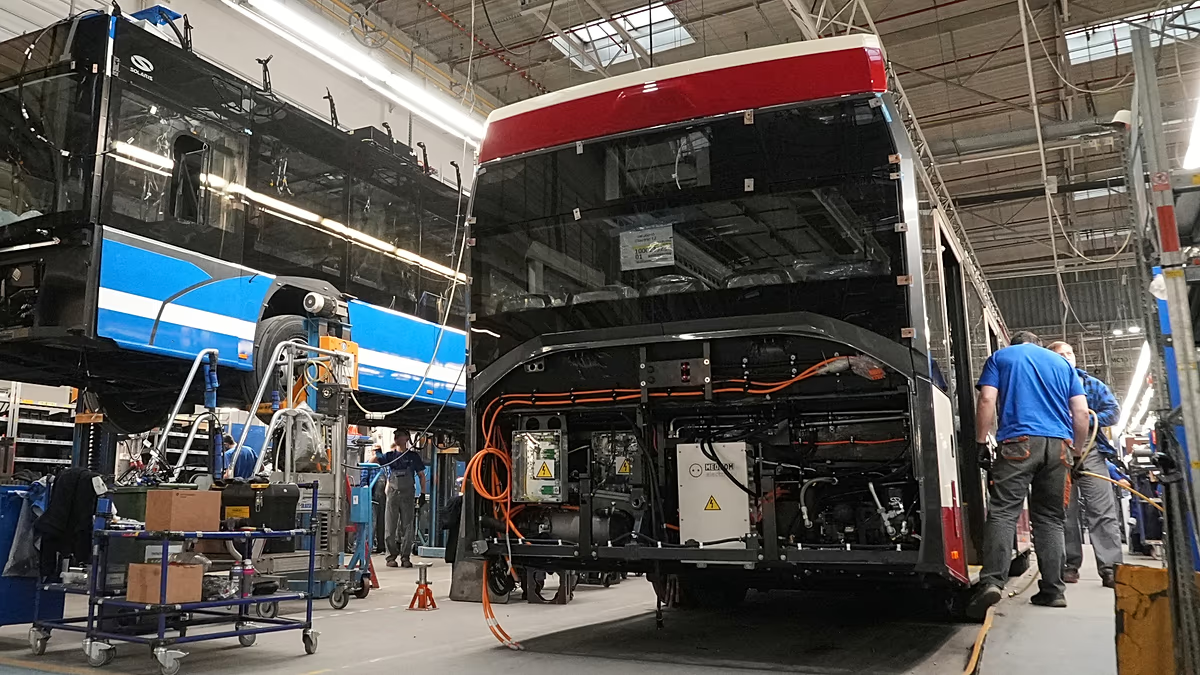




The burgeoning electric vehicle (EV) market is driving a global surge in demand for batteries, with China currently dominating the production landscape. This dynamic is playing out dramatically in Hungary, where the government is actively courting Chinese investment in battery manufacturing, sparking both enthusiasm and concern. While proponents emphasize the potential for economic growth and job creation, critics warn of environmental hazards, excessive subsidies, and a dangerous dependence on both China and Russia.
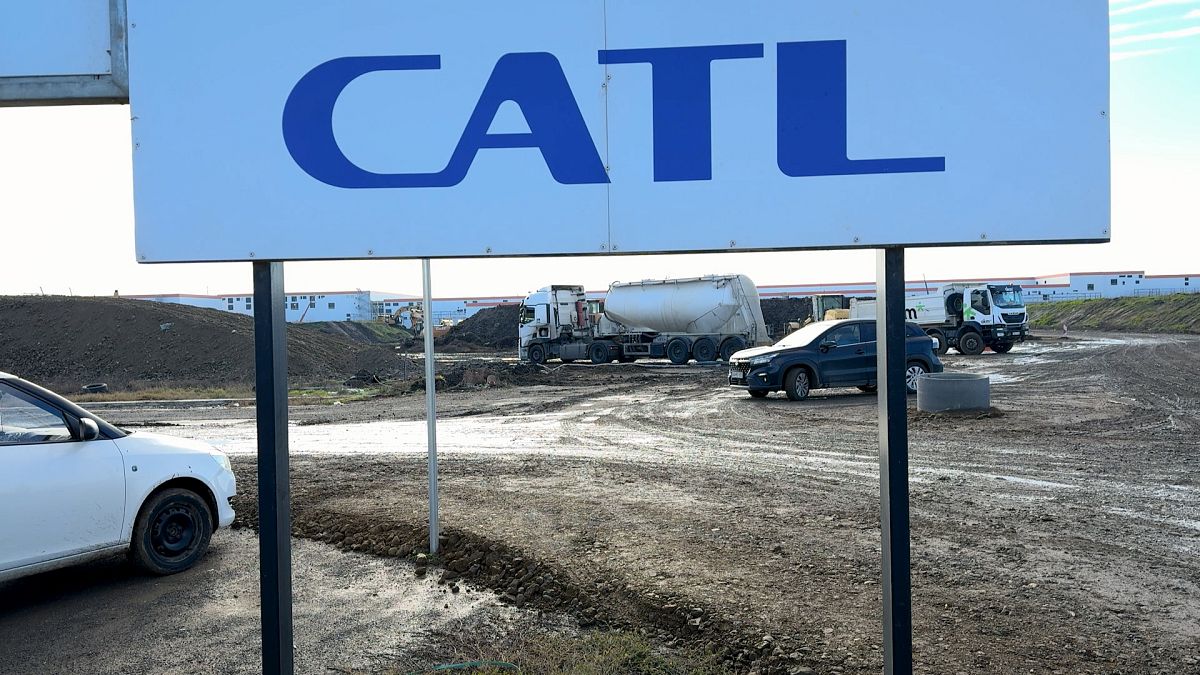
Hungary’s ambition to become a key player in the EV battery market is exemplified by the planned construction of Europe’s largest battery factory near Debrecen. This €7 billion project, spearheaded by Chinese giant CATL, promises significant economic benefits but also raises red flags. The factory’s projected energy consumption is staggering, estimated to require a quarter of Hungary’s total electricity. This poses a significant challenge given Hungary’s continued reliance on Russian oil and gas, creating a precarious energy dependency triangle. Critics argue that this strategy, while aiming for global prominence, ultimately weakens Hungary’s autonomy by tethering its energy and industrial future to two powerful nations. This dependence potentially exposes Hungary to political and economic pressures from both China and Russia, limiting its ability to act independently on the global stage.
The shift towards electric vehicles is driven by the urgent need to combat climate change. The 2035 ban on new combustion engine cars in the EU underscores the commitment to reducing greenhouse gas emissions. This policy, however, has created a scramble to secure battery production capacity within Europe, lessening dependence on Asian manufacturers. Hungary’s proactive approach in attracting battery producers, including substantial financial incentives, has positioned it as a key destination for these companies. Yet, this strategy brings its own set of challenges. Previous experiences with South Korean battery factories in Hungary have already highlighted the potential environmental risks, including solvent leaks. These incidents underscore the importance of stringent environmental regulations and rigorous oversight to mitigate potential ecological damage.
The focus on attracting Chinese investment, particularly in the battery sector, has accentuated concerns about Hungary’s growing dependence on China. The sheer scale of the CATL factory, with its massive production capacity, further reinforces these concerns. This dependence extends beyond energy, encompassing economic and potentially political influence. Critics argue that Hungary’s government, in its pursuit of becoming a global player, is inadvertently becoming increasingly vulnerable to external pressures. This strategic gamble raises questions about the long-term implications for Hungary’s sovereignty and its ability to navigate complex geopolitical landscapes.
The debate over Hungary’s embrace of Chinese investment in the battery sector highlights the complex interplay between economic opportunities and geopolitical risks. While the potential for economic growth and job creation is undeniable, the environmental concerns and the potential for increased dependence on China and Russia cannot be ignored. This delicate balancing act requires careful consideration of the long-term implications, ensuring that economic gains do not come at the expense of environmental sustainability and national autonomy. Hungary’s situation serves as a microcosm of the broader challenges faced by nations grappling with the transition to a green economy and the complexities of global power dynamics.
Ultimately, the success of Hungary’s strategy will depend on its ability to manage these competing priorities. Implementing robust environmental regulations, diversifying energy sources, and maintaining a balanced foreign policy will be crucial to mitigate the risks and maximize the benefits of this ambitious undertaking. The future of Hungary’s EV battery industry, and indeed its broader economic and political landscape, hinges on navigating this complex terrain with foresight and prudence. The current path, while promising economic gains, raises critical questions about long-term sustainability and national sovereignty.