


Revitalizing EU Enlargement: A Renewed Urgency in the Wake of Geopolitical Shifts
The European Union’s enlargement policy, once hailed as its most effective foreign policy tool, has experienced a period of stagnation since the substantial influx of new members in 2004. Russia’s invasion of Ukraine has injected a renewed sense of urgency into the accession process, highlighting the strategic importance of integrating European nations into the EU fold. However, the path towards membership remains complex and fraught with challenges. Several candidate countries have been entangled in protracted negotiations for over a decade, prompting a critical examination of the enlargement process and its effectiveness.
The geopolitical landscape has undergone significant transformations since the major enlargement waves of 2004 and 2007, followed by the accession of Bulgaria, Romania, and Croatia in 2013. The EU’s focus shifted inwards, prioritizing internal consolidation and deepening integration. The rule of law emerged as a paramount concern, driven by internal challenges within some member states regarding adherence to these principles. This has led to a cautious approach towards admitting new members, with an emphasis on ensuring full preparedness and alignment with EU values and legal frameworks. The EU is determined to avoid admitting countries that might pose challenges to the bloc’s internal cohesion and stability.
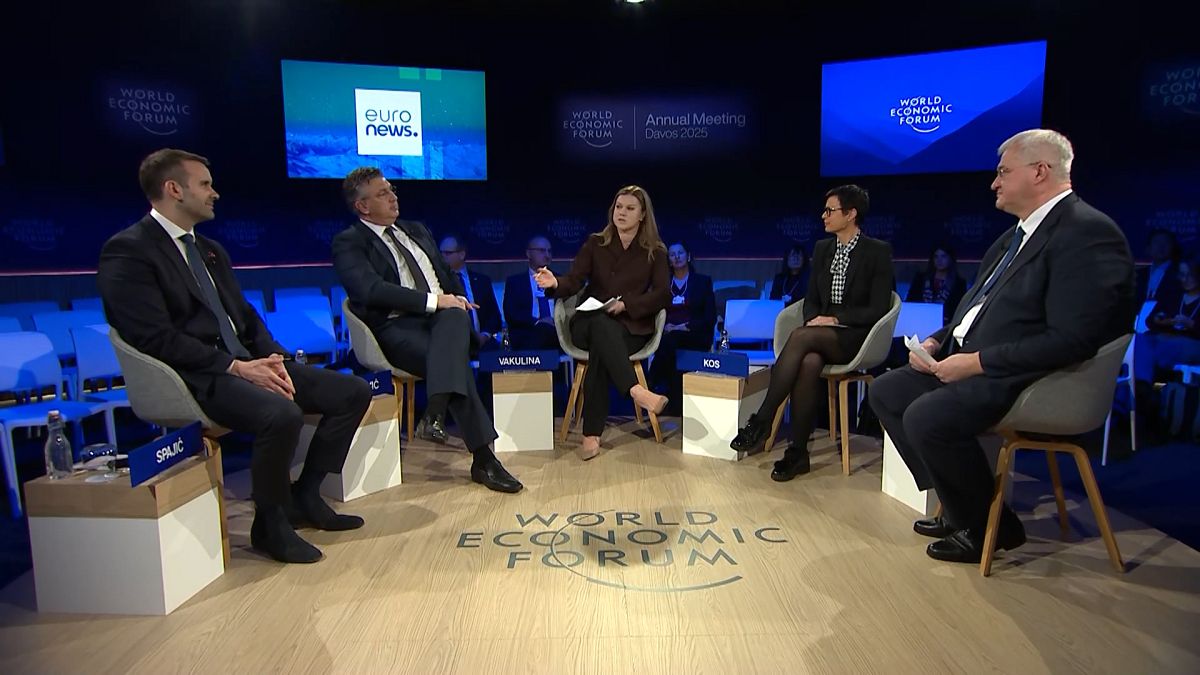
Croatia’s experience serves as a compelling example of the transformative potential of EU membership. Despite the lengthy accession process, the benefits have been significant. Prime Minister Andrej Plenković emphasized the positive impact on economic development, infrastructure improvements, and the reinforcement of democratic values and the rule of law. Croatian citizens recognize the substantial advancements brought about by EU integration, showcasing the transformative power of the accession process. This success story serves as an inspiration and encouragement for aspiring member states, demonstrating the tangible rewards of aligning with EU standards and embracing its principles.
Montenegro, considered the frontrunner among the current candidate countries, maintains its ambitious goal of concluding negotiations by 2026 and becoming the 28th member state in 2028. Prime Minister Milojko Spajić underscored that the accession process is not a competition and welcomed the accelerated candidacy of Ukraine, emphasizing the mutual benefits of expanding the EU family. This collaborative spirit reflects the recognition that a stronger, more unified Europe is in the interest of all member states, both current and prospective.
Ukraine’s bid for membership carries significant weight, given the country’s ongoing struggle against Russian aggression. Foreign Minister Andrii Sybiha highlighted Ukraine’s potential contributions to the EU, emphasizing the country’s battlefield experience, technological advancements, and defense industry capabilities. He argued that Ukraine’s accession would bolster the EU’s strength and resilience, rather than being a mere act of charity. The estimated cost of enlargement, representing a small fraction of the EU’s GDP, is viewed as a worthwhile investment in European security and stability.
Looking ahead, 2025 holds considerable significance for both Montenegro and Ukraine as they strive to advance their accession bids. The upcoming presidencies of Poland and Denmark are viewed with optimism, as both countries are seen as strong proponents of enlargement. The prevailing positive attitude towards enlargement among EU heads of state and government signals a potential shift in momentum, creating a window of opportunity for aspiring member states to demonstrate their commitment and make tangible progress toward fulfilling the criteria for membership. The renewed focus on enlargement reflects the recognition that a more inclusive and integrated Europe is essential for addressing shared challenges and securing a prosperous and secure future for the continent.
The debate surrounding EU enlargement reflects the complex interplay of geopolitical considerations, internal EU dynamics, and the aspirations of candidate countries. While the path to membership remains demanding, the renewed sense of urgency, coupled with the potential benefits of a larger and more integrated EU, creates a fertile ground for progress. The success stories of previous enlargements, coupled with the determination of current candidates, offer a glimpse into the transformative potential of EU membership and the enduring power of European integration. The coming years will be crucial in shaping the future of the EU and determining the extent to which enlargement continues to serve as a vital instrument for promoting peace, stability, and prosperity across the continent.