



Barcelona’s MetroCharge project stands as a beacon of innovation in sustainable urban transportation, seamlessly integrating clean energy technologies to power both public transit and private electric vehicles. This initiative capitalizes on the regenerative braking systems of subway trains, capturing energy that would otherwise be lost as heat and redirecting it to power stations and provide a readily accessible charging infrastructure for electric car owners. The project not only reduces the metro system’s reliance on traditional energy sources but also contributes to the wider adoption of electric vehicles by addressing the critical issue of charging accessibility. This symbiotic relationship between public transport and private electric car infrastructure represents a crucial step towards a greener urban environment.
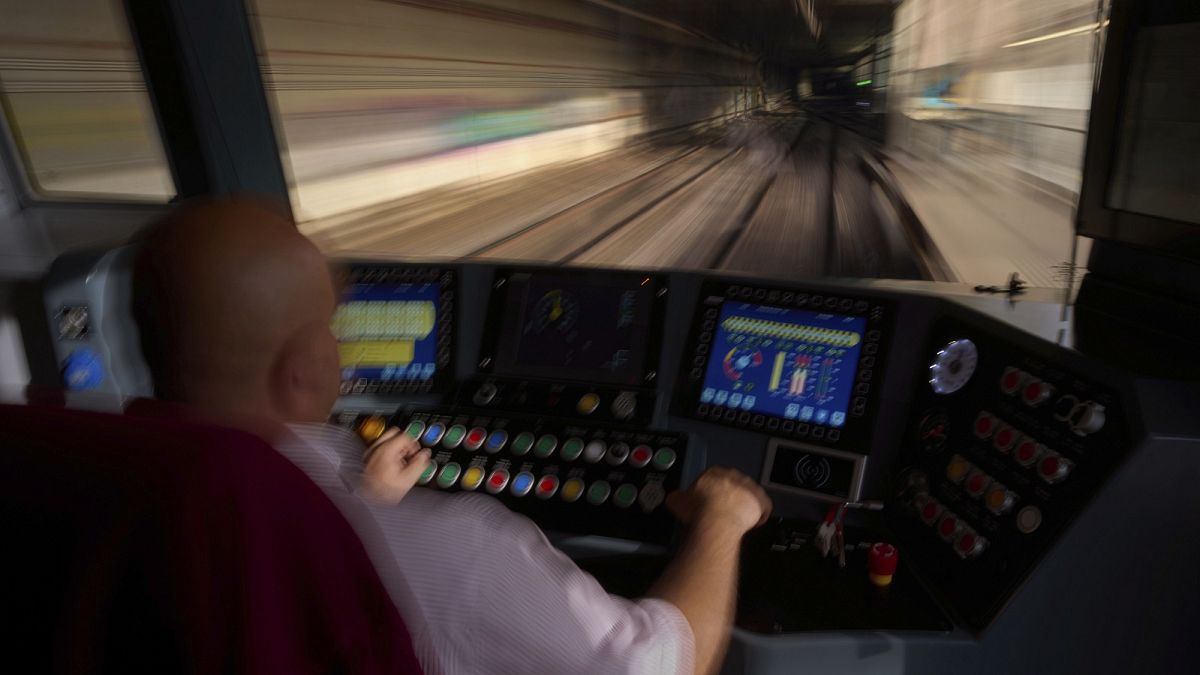
The core technology behind MetroCharge lies in the regenerative braking systems employed by the subway trains. These systems utilize electric motors to capture the kinetic energy generated during braking, converting it into electricity that can be used to power the train’s acceleration or fed back into the power grid. While regenerative braking itself is not a new technology, Barcelona’s innovative approach lies in its localized application. Instead of returning the captured energy to the general grid, it is channeled directly to nearby charging stations, maximizing efficiency and potentially reducing charging costs for EV users. This localized energy distribution model offers a blueprint for other cities seeking to integrate sustainable practices into their urban planning.
The MetroCharge project’s benefits extend beyond simply powering electric car chargers. The recovered energy also contributes to the overall energy needs of the subway system itself, powering lighting, elevators, ventilation systems, and other essential infrastructure. This multifaceted approach significantly reduces the metro’s reliance on traditional energy sources, leading to substantial cost savings and a smaller carbon footprint. With the system already powering 28 of Barcelona’s 163 subway stations, the project demonstrates the potential for widespread implementation and significant impact on a city’s energy consumption. Furthermore, the incorporation of solar panels into the system further enhances its sustainability profile.
Beyond the immediate technological and economic advantages, the MetroCharge project also addresses broader societal and environmental challenges. As climate change intensifies, particularly in Mediterranean regions like Spain, the need for sustainable transportation solutions becomes increasingly urgent. The project aligns with global efforts to double energy efficiency by 2030, contributing to the reduction of greenhouse gas emissions and the mitigation of climate change impacts. By providing convenient and affordable charging options, MetroCharge also incentivizes the adoption of electric vehicles, further contributing to a cleaner transportation ecosystem.
However, the transition to a fully electric vehicle landscape faces significant hurdles. Despite government incentives and private investments, the widespread adoption of EVs in Spain has been slower than anticipated. The availability of charging infrastructure remains a key bottleneck, and while the MetroCharge project offers a solution within urban centers, broader coverage is needed, particularly in less densely populated areas. Addressing consumer concerns about the cost and practicality of EVs remains a crucial challenge for policymakers and industry stakeholders. The success of initiatives like MetroCharge highlights the need for a comprehensive approach to EV adoption, encompassing not only technological innovation but also policy support, consumer education, and industry collaboration.
The Barcelona MetroCharge project offers a compelling model for sustainable urban development, demonstrating the potential of integrating clean energy technologies into existing infrastructure. By leveraging regenerative braking and localized energy distribution, the project reduces the metro’s environmental impact, provides a valuable service to EV owners, and contributes to the broader goals of climate change mitigation. While challenges remain in the wider adoption of electric vehicles, initiatives like MetroCharge offer a crucial pathway towards a greener and more sustainable future for urban transportation. The project serves as a testament to the power of innovation and collaboration in addressing complex environmental and societal challenges, paving the way for other cities to emulate its success.