

Of course. Here is a humanized and expanded summary of the content, structured into six paragraphs.
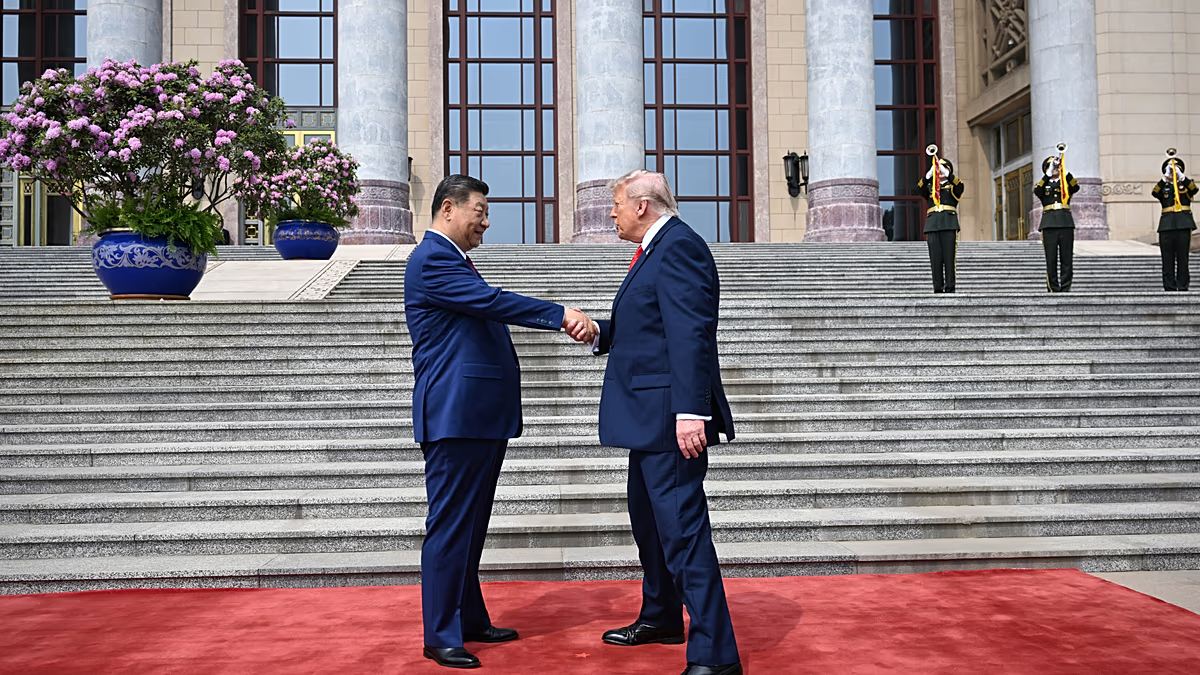
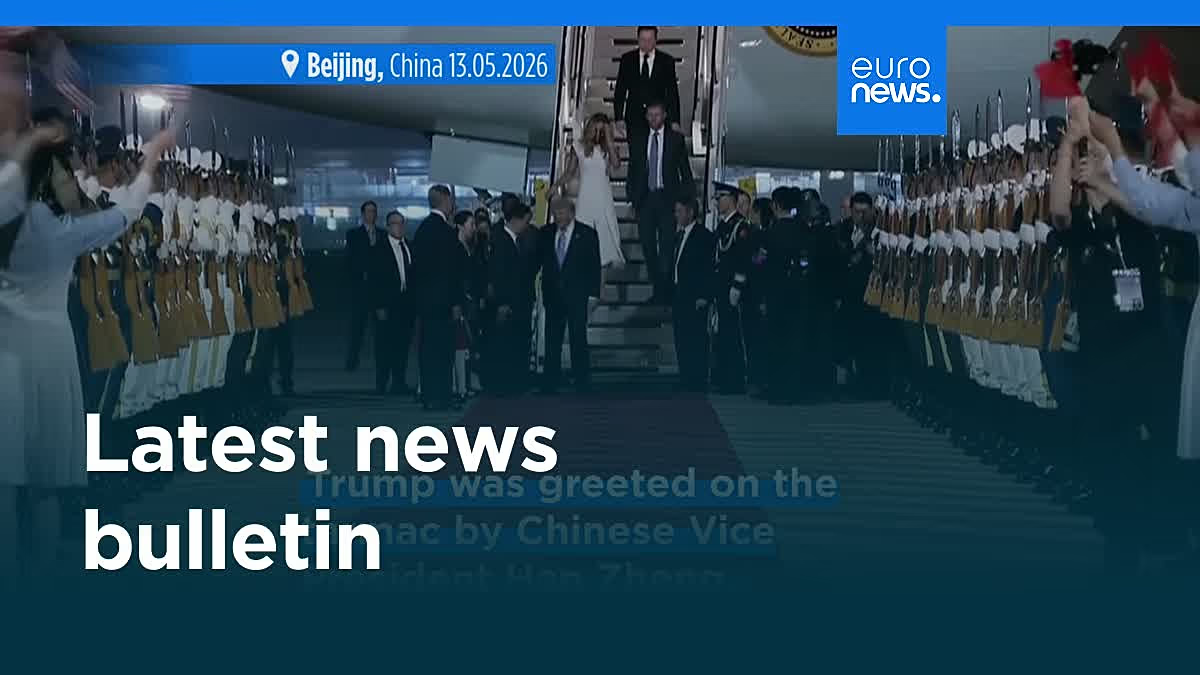
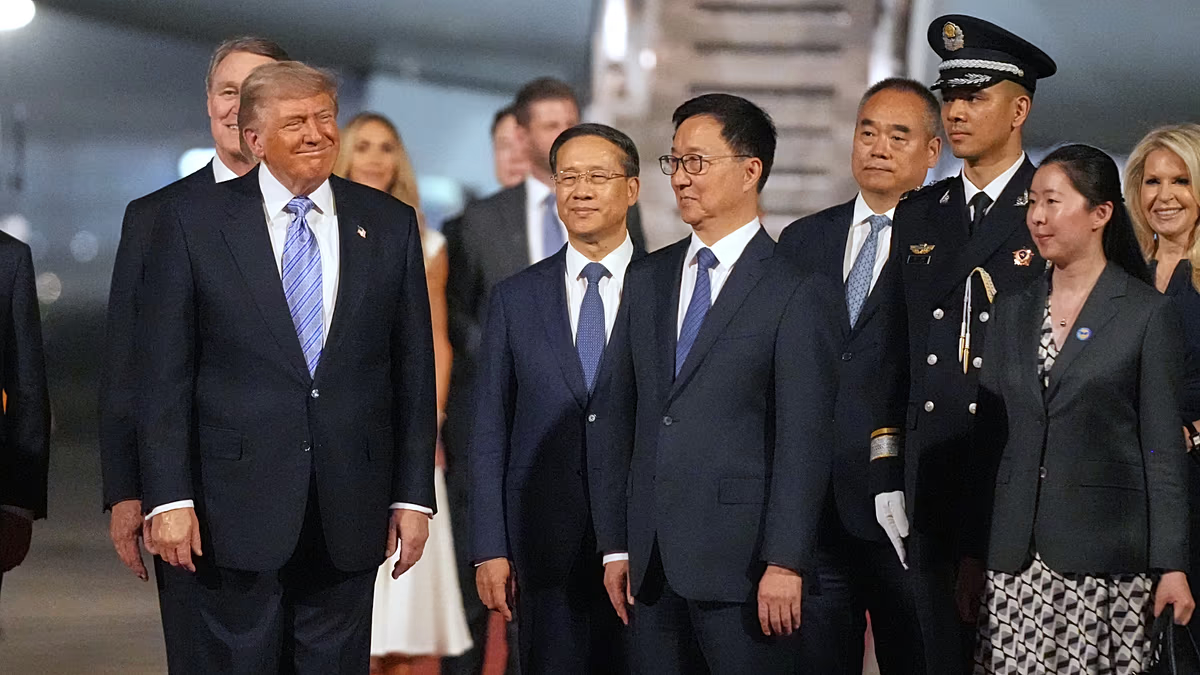
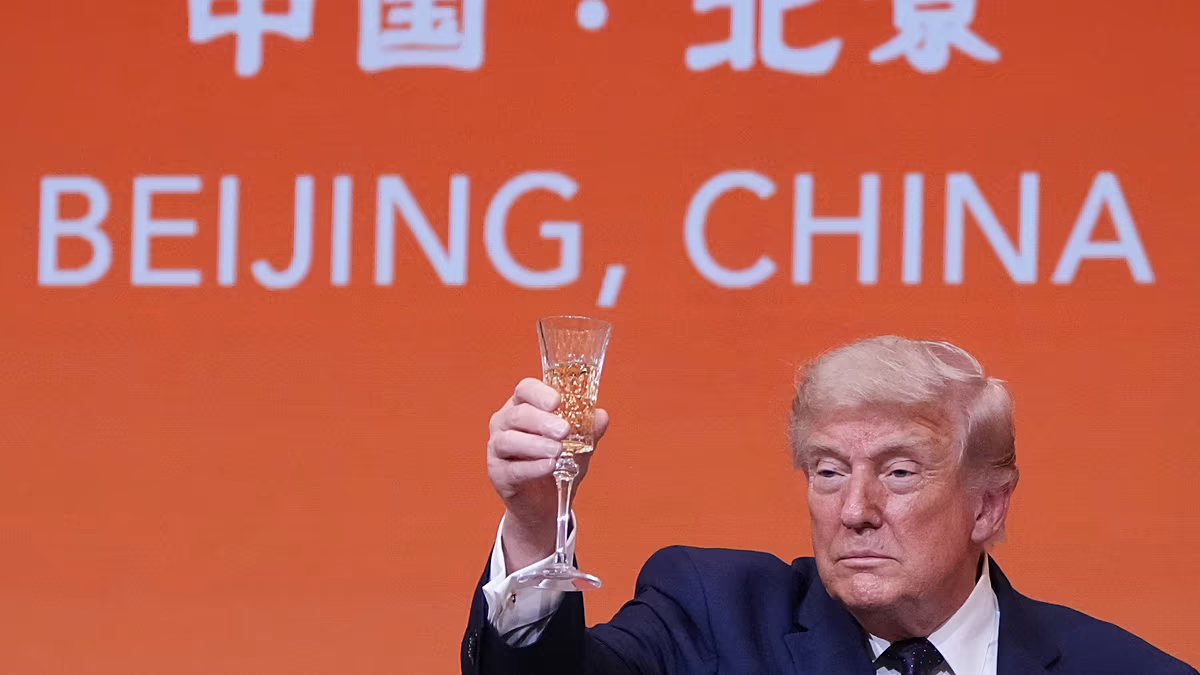
The scene was one of profound symbolic weight, a tableau of modern power and diplomacy. In the grand halls of Beijing, under the gaze of history, two leaders who have come to define the geopolitical tensions of the 21st century raised their glasses. Former U.S. President Donald Trump and China’s President Xi Jinping shared a toast during a lavish state banquet, an image that momentarily softened the often harsh edges of U.S.-China relations. This was not a casual meeting, but the culmination of high-level talks, suggesting a deliberate, if complex, effort at re-engagement. The clinking of glasses signified a temporary truce in the rhetoric, a public acknowledgment that despite deep-seated differences on trade, technology, and global influence, dialogue remains an indispensable channel. It was a moment frozen in time, hinting that the personal dynamics between these two formidable figures could still open doors that institutional bureaucracy often keeps firmly shut.
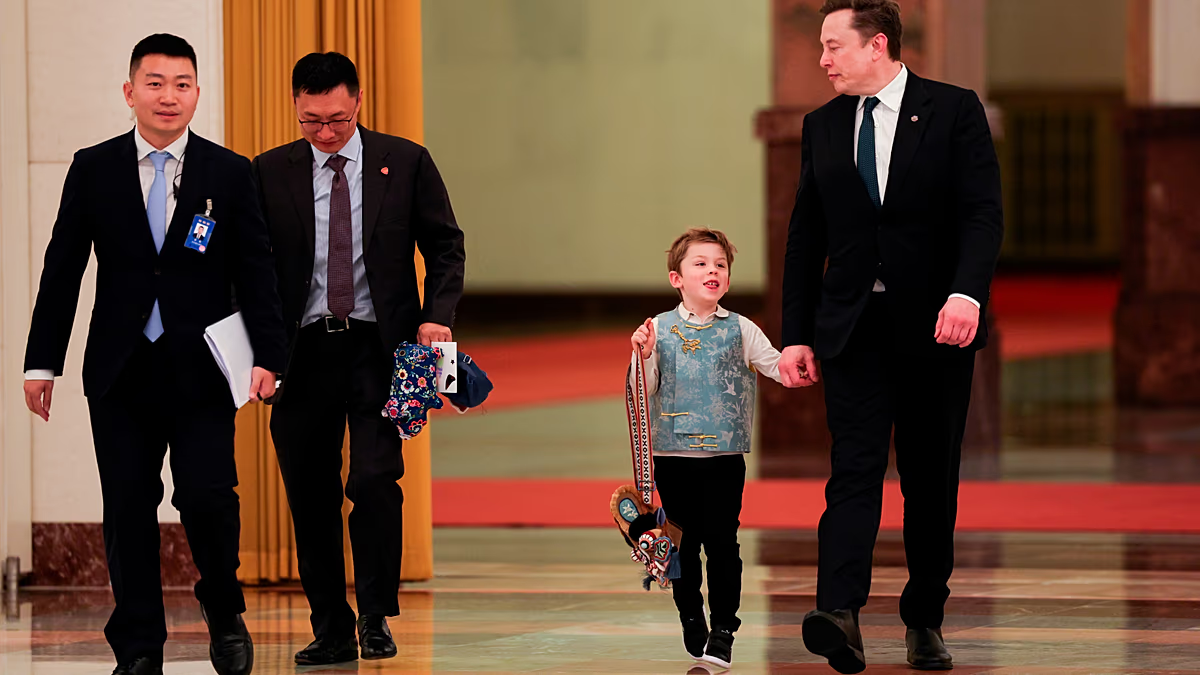
The guest list for this banquet turned it from a mere diplomatic formality into a snapshot of global influence in the 21st century. This was no ordinary gathering of ambassadors and ministers. Seated among the political leaders were the architects of our technological reality: Elon Musk of Tesla and SpaceX, Tim Cook of Apple, and Jensen Huang of NVIDIA. Their presence was a powerful, unspoken statement. It underscored that the relationship between these two nations is not solely defined by political sparring, but is inextricably woven into the fabric of global commerce, innovation, and supply chains. These executives, whose companies straddle both markets and are often caught in the crossfire of regulatory disputes, represented the immense stakes on the table. Their attendance signaled a desire from both sides to reassure the business world that pragmatic cooperation remains possible, even essential, amidst the competition.
The substance of their discussions, though not fully detailed, was surely as consequential as the symbolism. High-level China-U.S. talks preceding the banquet would have covered the thorniest issues: trade imbalances, tariffs, intellectual property protections, and the status of Taiwan. The fact that the talks culminated in such a public and cordial display suggests that some avenues for progress were identified, or at minimum, that both sides saw value in de-escalating tensions. For Trump, engagement with Xi has often balanced a rhetoric of tough negotiation with moments of personal camaraderie. For Xi, hosting a former and potentially future U.S. president offered a chance to shape the relationship directly, bypassing the current administration and appealing to a powerful political figure with a significant base of American support.
One of the most significant gestures to emerge from the evening was an invitation extended across the banquet table. Donald Trump invited President Xi Jinping to visit the White House the following September. This prospect is laden with meaning. It implies a vision for continued high-level dialogue and projects a sense of normalcy in state-to-state relations. A return visit would be a major diplomatic event, offering a platform for potentially signing agreements or making joint announcements. It also carries domestic political weight, showcasing engagement and strength to each leader’s base. For Trump, it would be a demonstration of his deal-making prowess on the world stage; for Xi, it would be an acknowledgment of China’s indispensable role in global affairs.
To understand the true gravity of this meeting, one must consider the date attached to the report: May 14, 2026. This places the event in a hypothetical but plausible future context. It imagines a world where Trump has been re-elected to a second term, following the 2024 U.S. presidential election. This timeline resets the U.S.-China relationship clock, reviving the direct, and often unorthodox, channel of communication that characterized the 2017-2020 period. The meeting in Beijing, therefore, would represent not just a diplomatic exchange, but the re-establishment of a specific, personal dynamic between two leaders who know each other’s styles and red lines. It’s a scenario that global markets, allies, and adversaries all must contemplate seriously.
Ultimately, this reported event—a blend of symbolic toast, powerhouse guest list, and forward-looking invitation—paints a picture of a relationship that is too big to fail entirely. Despite the profound strategic rivalry, the economic interdependence and shared global challenges like climate change and financial stability create a forced partnership. The presence of Musk, Cook, and Huang was a silent testament to that inescapable reality. The evening in Beijing, therefore, can be seen as a performance of cautious optimism. It was a carefully choreographed demonstration that even amid suspicion and competition, the world’s two largest economies must find ways to share a table, break bread, and discuss the future. The path forward remains fraught, but the alternative—a complete breakdown of dialogue—is a prospect too dangerous for either nation to entertain seriously.